6 Data Sources to Power Your Community Needs Assessment—No Survey Required
Conducting a community needs assessment can feel like a massive undertaking. Thankfully, you don’t need to reinvent the wheel—or conduct an expensive survey—to get the insights you need.
Many powerful data sources are readily available to help you identify gaps, understand risks, and develop targeted solutions for your community.
In this post, we’ll explore six data sources that can help you complete your needs assessment efficiently.
These tools provide valuable information about youth behaviors, education, civic health, and more—without the stress of creating and distributing a survey.
What Is a Community Needs Assessment?

A community needs assessment is a way to identify what your community is missing and where resources could make the most impact. It uses data to reveal risk factors, protective factors, and social conditions that affect the community.
Whether it’s addressing youth substance use or improving mental health services, a good needs assessment helps focus your efforts where they’re needed most.
For example, if your goal is to reduce teen substance use, data from tools like the Youth Risk Behavior Survey (YRBS) can show where intervention is most critical.
Similarly, mapping community assets like youth centers alongside behavioral data can help pinpoint gaps in service. The best part? You don’t need to conduct a single survey to get started.
The Case for Using Existing Data
Surveys take a lot of time, money, and resources to pull off. While surveys have their place in program evaluation, they’re not always necessary for a needs assessment. Most of the data you need is already available from reputable sources.
Using existing data allows you to focus your energy on interpreting the numbers and developing actionable strategies. Plus, when you pair quantitative data with qualitative insights like focus groups or interviews, you get the full picture without the hassle.
6 Secondary Data Sources
1. Kids Count

Kids Count is a valuable source of data about child well-being across the U.S. It focuses on key areas like education, health, and family economics.
This data is perfect for understanding challenges children and families face in your community. For example, you can use it to identify neighborhoods with high rates of childhood poverty or low school attendance and prioritize interventions there.
If you’re working on youth mental health, Kids Count data can highlight areas where children may lack access to quality healthcare. This makes it easier to allocate resources where they’re needed most.
Listen Now: Using State & County-Level Indicators for Needs Assessment: The Kids Count Data Book
2. Youth Risk Behavior Survey (YRBS)

The YRBS collects data about health-related behaviors among youth. It covers topics like substance use, mental health, and sexual behavior.
This tool is essential for identifying risky behaviors that may need intervention. For instance, if data shows high rates of teen alcohol use in your area, you can focus on creating targeted prevention programs.
A school district could use YRBS data to advocate for funding for after-school programs or peer mentorship initiatives to reduce risky behaviors.
Listen Now: The Best Source for National Data on Youth: Youth Risk Behavior Survey (YRBS)
3. Social Capital Atlas

The Social Capital Atlas measures community trust, social networks, and civic engagement. It provides insight into the “connectedness” of your community.
Strong social capital can improve everything from public health to education outcomes. This data helps identify areas with low social capital so you can develop programs that foster connection and collaboration.
If the Social Capital Atlas reveals low civic engagement in a neighborhood, you could organize community events or volunteer programs to bring people together.
Listen Now: Measuring the Strength of Relationships and Communities with the Social Capital Atlas
4. Civic Health Index

The Civic Health Index tracks civic engagement activities like voting, volunteering, and charitable giving. It paints a picture of how involved residents are in shaping their community.
Communities with higher civic health tend to have better outcomes in education, health, and economic stability. Use this data to identify opportunities for boosting civic participation.
If your assessment reveals low volunteerism in a particular area, you could work with local nonprofits to recruit and train new volunteers.
Listen Now: Measuring the Health of a Democracy with the Civic Health Index
5. Social Explorer
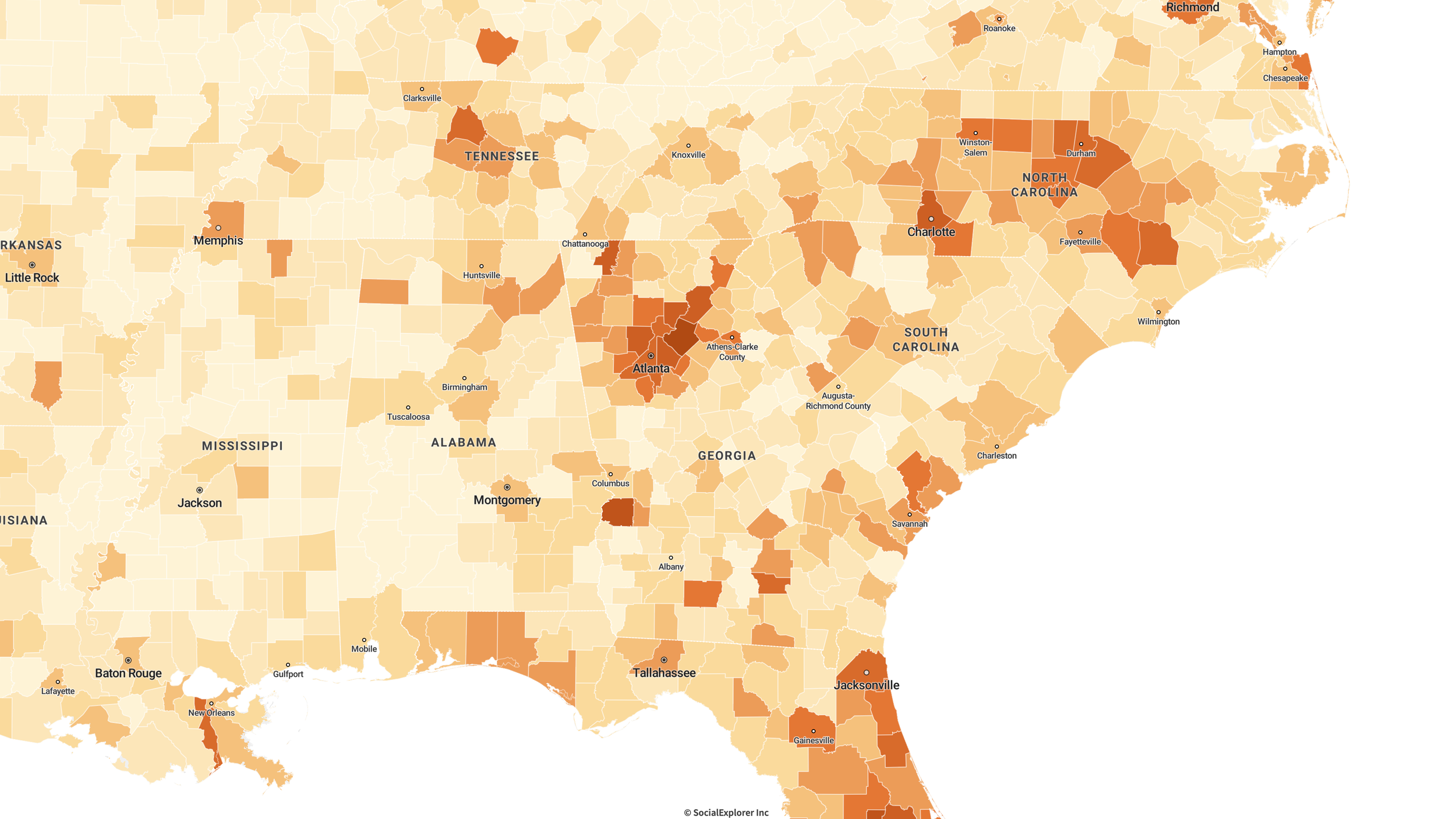
Social Explorer is a visualization tool that maps demographic, economic, and geographic data. It makes it easy to spot trends and disparities within your community.
This tool is invaluable for identifying underserved areas or visualizing data to share with stakeholders. Whether you’re looking at income levels or school performance, Social Explorer makes complex data accessible.
Use Social Explorer to map areas with limited access to youth programs and overlay that with data on substance use rates to target specific neighborhoods.
Listen Now: Make Beautiful Census Data Maps & Tables with Social Explorer
6. State Education Data (NC and GA Examples)

State education departments often publish detailed data about school performance, graduation rates, and disparities. In states like North Carolina and Georgia, this data can be a goldmine for understanding local education challenges.
Education data can highlight areas where students are at risk, whether due to low graduation rates or disparities in funding. It’s especially useful for connecting education outcomes with other social factors like health and economic stability.
If data shows low graduation rates in specific regions, you can pair this with YRBS data to design interventions addressing both academic and behavioral issues.
Conclusion
A community needs assessment doesn’t have to be overwhelming—or expensive. By using these six data sources, you can uncover key insights to guide your work without the need for a survey. From youth behavior trends to civic engagement metrics, the data is already out there waiting for you.
Ready to start your assessment? Explore these tools today and don’t forget to check out our podcast episodes for step-by-step guidance on using each source effectively. Your community will thank you!