Planning and Facilitating Effective Focus Groups
Focus groups can be a powerful way to elevate community voice, gather deep insight, and inform your programs with real-world context. When designed thoughtfully, they offer more than just opinions—they provide lived experience, nuance, and the "why" behind the data. In this post, we walk through best practices for designing and facilitating focus groups, from recruitment and consent to facilitation and follow-up. We also share tools that can help you do this work ethically, effectively, and with care.

Start with Purpose: Plan with Intention
Before you send out your first recruitment email or book a meeting, get clear on your purpose. What do you need to learn, and why is a focus group the right method? Focus groups are particularly useful when you want to:
Explore participants’ experiences or perceptions
Understand how people talk about an issue in their own words
Identify patterns, language, or ideas that might not come through in a survey
I like to use focus groups in particular for needs assessments, especially because they capture things we aren’t thinking of when putting them on a survey or another quantitative tool.
Also: decide who needs to be in the room. That may include program participants, staff, community leaders, or others whose insights matter. Consider making special considerations when your group may be multilingual (e,g. bilingual facilitators and intepretation services) or are differently abled (e.g. American Sign Language interpreter).
Choose a location that is comfortable, accessible, and neutral. For some communities, a community center or library may feel more welcoming than an agency or government office.
Recruitment and Incentives
Recruitment is more than logistics—it’s relationship-building. Think about who you want to hear from and how best to reach them. Trusted messengers matter. Collaborate with community partners, faith leaders, or staff who already have relationships with your intended participants.
When inviting people to participate, be clear and respectful:
What’s the purpose of the group?
How long will it take?
Will the conversation be recorded, and how will data be kept confidential?
What will participants receive in return?
Incentives show that you value people’s time. Offer what’s appropriate for your community—often a $25-50 gift card, snacks or meals, transportation passes, or even child care support can all help.
But no incentive can outweight trust. Be sure you work with a community that knows you well - or find a trusted intermediary organization who can help.
Consent and Ethics: Do No Harm
Ethical focus groups begin with transparency and consent. Explain what the session is about, how the information will be used, and what steps you’ll take to protect confidentiality. Set ground rules for respect and privacy upfront, and always give participants a chance to opt out at any time.
When possible, offer both written and verbal consent options. For communities with limited literacy or language access, consider using a short script or visual aids to explain consent in clear terms. Let participants know how recordings will be stored and when they will be deleted.

Asking Open-Ended Questions
Your questions shape the conversation. Focus group questions should be open-ended, neutral, and exploratory. Start with easy warm-up questions to build comfort, then transition into your core topics, and end with reflective wrap-up questions.
Sample questions:
"What comes to mind when you think about [program/issue]?"
"Can you share a time when you felt supported or not supported by this service?"
"What would make this program more welcoming or accessible to others?"
Avoid yes/no or leading questions. Practice asking follow-ups like, "Tell me more about that," or "What did that feel like for you?"
Facilitation: Create Space and Hold It Well
The facilitator plays a critical role in ensuring the group feels safe, heard, and balanced. Set a welcoming tone. Remain neutral, but actively engaged. And importantly, manage group dynamics with care.
Some strategies:
Encourage quieter participants to speak up: "Would anyone who hasn’t spoken yet like to share?"
Redirect dominant speakers gently: "Thanks for sharing—let’s hear from someone else now."
Stay present to nonverbal cues—sometimes what’s unsaid matters just as much.
Good facilitation is about presence, patience, and humility. It's not about getting through a script. Let the discussion guide you, and use active listening and response to make it conversational and welcoming.
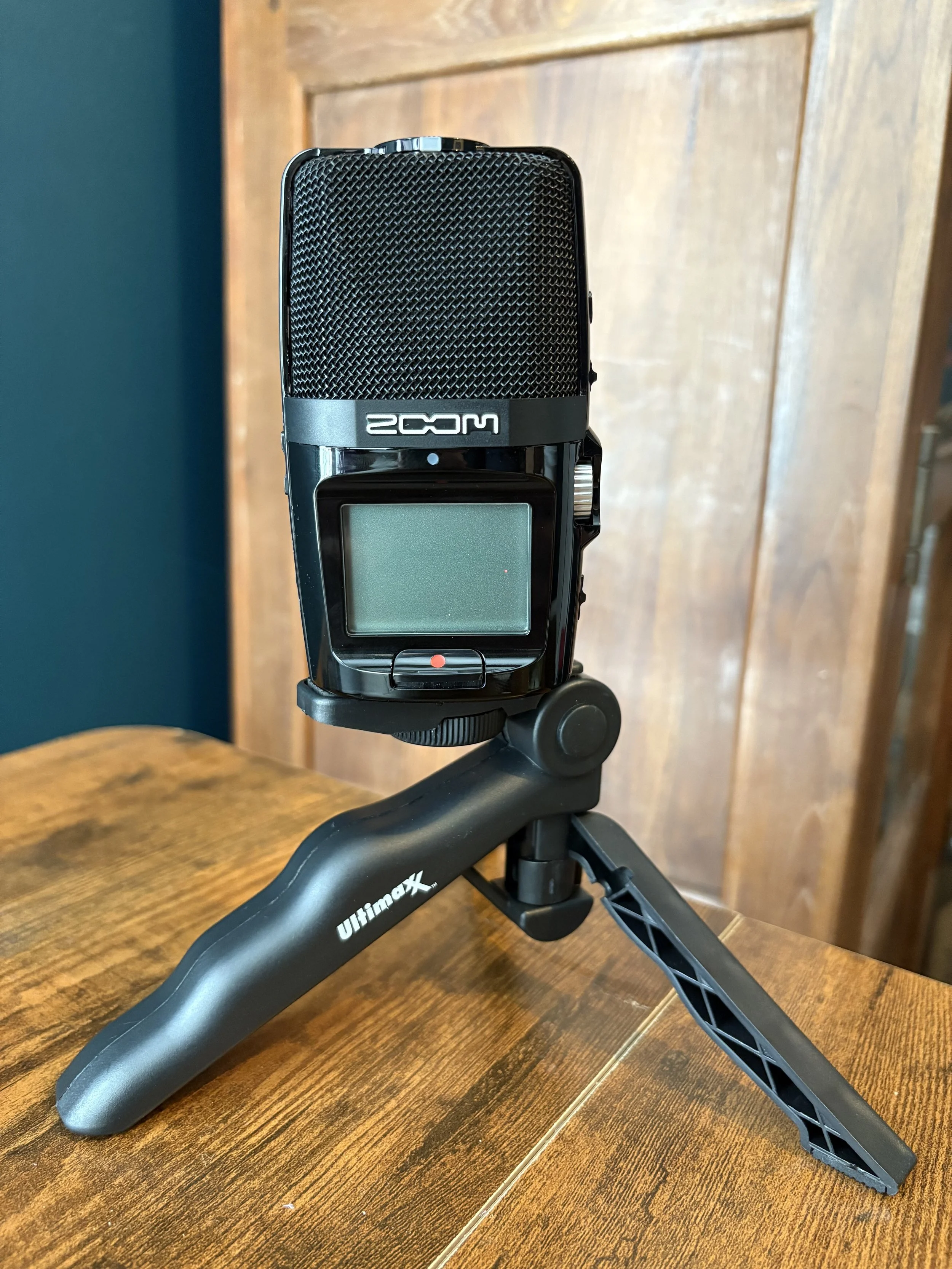
Our Zoom H2N Recorder
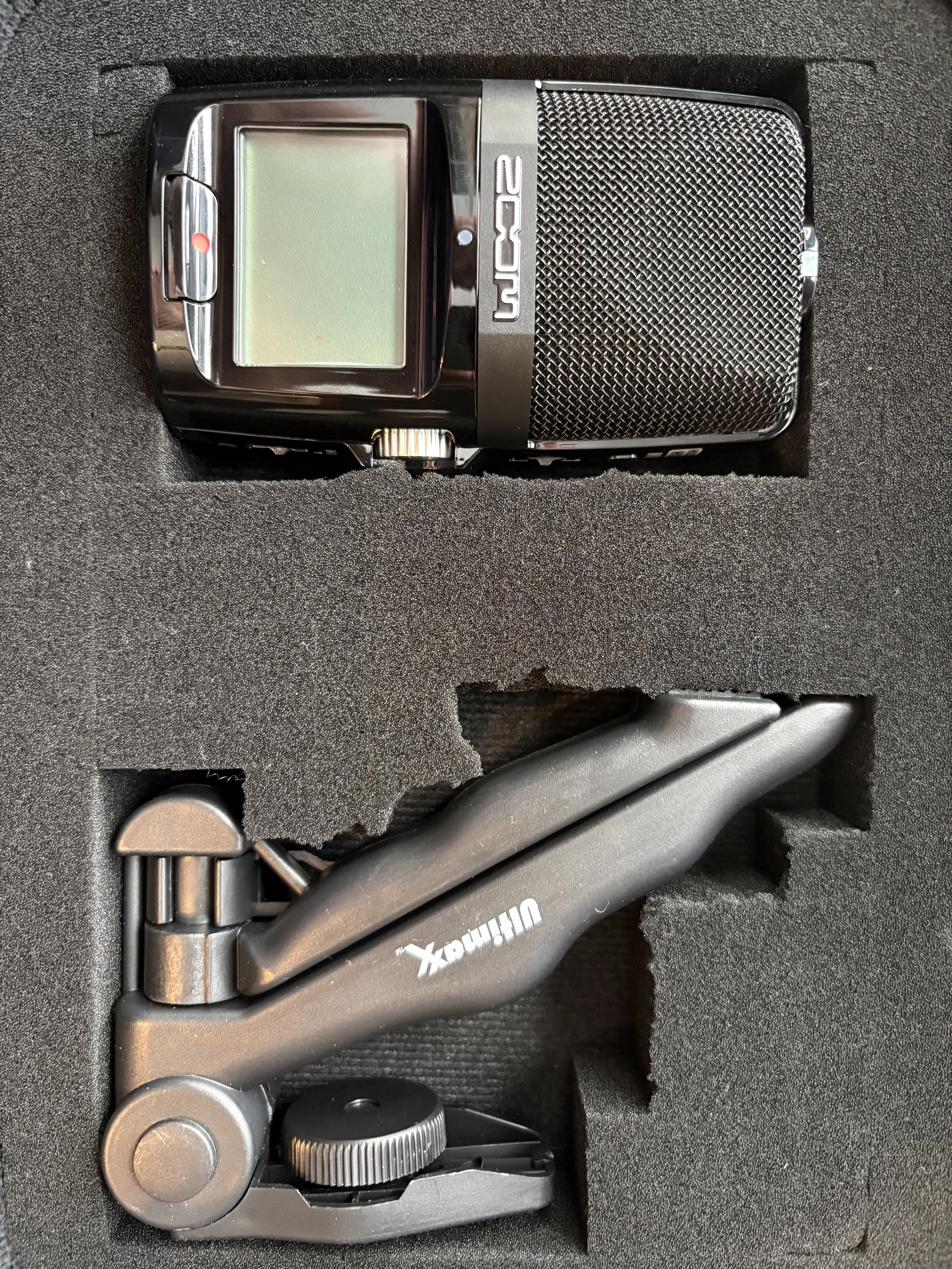
Zoom H2n with carrying case
Recommended Tools
You don’t need fancy software to run a strong focus group, but having the right tools can make your job easier and your data more secure.
MacWhisper: This AI-powered transcription tool runs locally on your computer, making it a great alternative to cloud-based options when working with sensitive data. It’s fast, reliable, and helps keep your participant data confidential. There are also other tools that may work for you, but be sure to check to make sure they meet your data security needs.
Zoom H2n Microphone: This portable microphone is ideal for recording small-group conversations. It captures high-quality sound, even in less-than-ideal acoustics, and its multi-directional settings make it easy to record roundtable-style sessions without needing multiple mics. It’s our favorite, which is why we have two of them for the focus groups we conduct!
These tools keep your data portable, private, and professional. Note: I don’t receive any funds for supporting these tools, I just share what I like!
Follow-Up: From Data to Action
After the group, take time to debrief with your team. What themes stood out? What surprised you? Begin transcribing and organizing your notes as soon as possible while the conversation is still fresh.
Consider how you’ll share findings with participants or the community. Even a short summary or thank-you note goes a long way in building trust and showing accountability.
Ready to Start Your Focus Group?
If you’re looking for help designing or facilitating your next focus group, we’d be honored to partner with you. Get in touch to learn more about how we can support your data collection efforts with care and intention.
Also - check out our Data and Evaluation Made Simple Toolkit, where we review focus groups and interviews. Good luck with your evaluation work!