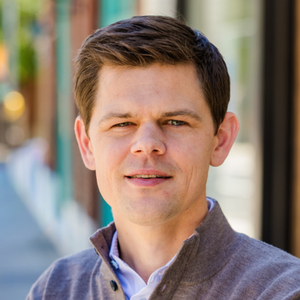
Building Relationships and Mentoring Youth with Ryan Grammatico
Young people are facing an epidemic of loneliness. Despite being the most connected generation, students still feel isolated, disconnected, and uncertain.
This lack of connection impacts many areas of their lives—from school attendance and graduation rates to risky behaviors that prevent them from reaching their full potential.
For 35 years, Right Moves for Youth has been tackling this issue head-on.
Through weekly group meetings led by staff, school resource officers, and sometimes community volunteers, Right Moves provides teens with the opportunity to connect, build relationships, and gain the support they need to overcome life’s challenges.
Ryan Grammatico, from Right Moves for Youth, joins us to talk about how the organization is helping students not only achieve academic success but also become better employees, better citizens, and more prepared for the future ahead.
You’ll Hear:
(05:28) The challenges that youth in schools in Charlotte are facing right now
(08:03) What young people are sharing about their experiences with rising mental health challenges and feelings of disconnection
(14:06) What makes Right Moves for Youth so different from other after-school programs or youth mentoring programs
(22:26) How they demonstrate the impact of their work through measurable results
(33:23) A success story of a young girl who, after participating in the program, now works at the organization
Key Takeaways
Right Moves for Youth emphasizes the power of group work, where students connect with adults who genuinely care, dedicated volunteers, and most importantly, their peers. This weekly interaction builds trust and encourages participation through relatable experiences. Facilitators create an environment where students hear from peers who identify with their culture, reinforcing a sense of belonging and mutual respect. This connection fosters pro-social behavior, moving beyond conversation into leadership development and community involvement through service learning projects. These activities equip them with the connections and social capital to succeed in the future.
Right Moves for Youth recognizes the critical role of nurturing belief in young people. While obstacles—whether internal negative thoughts or systemic barriers—can impede progress, these challenges can be reframed as opportunities through the power of relationships. By dangling positive incentives and offering steady guidance, students see that they can achieve, creating a snowball effect of momentum. Once they begin to believe in themselves, they gain the confidence to tackle bigger challenges and push their progress forward.
Right Moves for Youth measures the success of their program using pre- and post-surveys, mid-year check-ins, and event-based surveys to track students' progress in real time. They also monitor outcomes such as a 100% graduation rate for seniors in the program, reduced risky behaviors, and fewer suspensions. In addition, the program aligns with the school district’s focus on the “Three E’s”—education, employment, and enlistment—ensuring students are not only graduating but also becoming better prepared for the future, whether through higher education, employment, or military service.
Resources Mentioned
-
Roger Suclupe: Welcome to the Common Good Data Podcast. My name is Roger Suclupe.
Drew Reynolds: And I'm Drew Reynolds.
Roger Suclupe: Drew, what's going on?
Drew Reynolds: Hey, I'm so thrilled that we've got Roger on for the intro part and for this interview. Roger, how you been, man?
Roger Suclupe: I've been great. Uh, it's October, it's fall. Uh, one of my favorite seasons of the year, um, not to dismiss spring, summer, or winter, but fall I feel like is, uh, it rejuvenates me. The leaves are changing, the weather's cooling off a little bit, and more The Yankees are in the World Series and, and college basketball season has begun.
So I'm stoked because my son and I are going back to Cameron Indoor Stadium. We're starting this tradition that as much as I can afford it, I'm trying to find tickets to go watch a Duke basketball game with my [00:01:00] youngest son, Michael. So we are set to go, um, in a couple of weeks to watch. Our beloved Duke Blue Devils, uh, take the court.
So yeah,
Drew Reynolds: Well, you know, October is a great season for sports and I had the opportunity this past weekend to go with my family to watch Notre Dame play Georgia Tech at Mercedes Benz here in Atlanta, which was awesome. Of course, the listeners of this podcast will know I'm a huge fan of Notre Dame football. But I have not been in person to a game in over a decade, I think, because I can never make my way up north.
Uh, so it was great to take advantage of the opportunity with them here in Atlanta, and we had a grand old time. Uh, Roger, today we have an awesome interview. We've got, uh, Ryan Grammatico here from Right Moves for Youth, which is an organization based in Charlotte, North Carolina. Ryan is super passionate about transforming lives, um, of youth through data driven non profit work.
Uh, he's been working over a decade at Right Moves. Moves for Youth and has a track record of turning vision into reality. Managing, not just managing programs, but elevating them as an executive director, um, and [00:02:00] really showing kind of impact and strategic growth. I enjoyed our interview with Ryan so, so much, and he talks, uh, so eloquently.
I think about. Not just the work that he does from a programmatic lens, but also the kind of the, the kind of data questions and the strategic questions. He's just so good at being able to kind of go back and forth between the two of them. So I'm, I'm super pumped for this interview and to share that with our audience today.
Roger Suclupe: exactly. I mean, the way that Ryan talked about and bridged the connection and relationship perspective, right? So, you know, how, how does connection and relationship exist in the same space and how important it is To develop relationships, fruitful, deep rooted relationships with individuals in order to, you know, not only make that connection, but all to also to, to navigate success, you know, and, and how everyone defines success very differently, you know, success at times may not look the way.
That you wanted it to look, you know, we [00:03:00] sort of take, we take the strides in how they come. So I really liked the way that he talked about this, um, the relationship perspective, this, this modeling perspective, this mentorship perspective, and you know, how important it is to think about, uh, connections and how connections drive and influence others.
Drew Reynolds: Absolutely. He, he gave a great example too, about how he approaches, um, Learning about the work, you know, when you receive and gather feedback from the folks who are participating, the youth who are participating in groups, how to then turn that into action on the, on the other side to kind of say, Hey, what do we can do to continuously and improve?
And speaking of continuous improvement, uh, folks, uh, who are listening today, I want to share with you all that we got some great resources coming out, um, on our website at commongooddata. com. If you check out. Uh, the website, sign up for our newsletter. We have a bunch of new stuff coming out in October, November, that has all kinds of jam packed information about getting access to, uh, data sources and, and new kind of pieces of information that [00:04:00] you can use to really begin to assess communities very well.
But then also to be able to, uh, uh, evaluate and measure your impact. Two resources that I'll highlight in particular, we've got a whole series coming out on this podcast that is focusing on data for community assessment. We had two episodes, one on. using the Youth Risk Behavior Survey and another one using Kids Count data from NEE Casey.
So if you are interested in exploring that data and how it can be useful for your organization, check it out at commongooddata. com. And then I'll also mention that I've got a resource up there now, uh, um, called the Data and Evaluation Made Simple Toolkit. And you can find that at commongooddata. com slash simple.
Get your free toolkit and it'll show you how to do good, um, community assessment work as well as a primer on evaluation for your organization. So just want to make sure I got that out. To our audience, uh, before we get started with our interview here.
Roger Suclupe: That's right, folks. Sign up for the common good.
Drew Reynolds: Well, we will, uh, dive right into our interview here. So thank you so much for [00:05:00] listening and we'll dive into our interview with Ryan Grammatico.
Drew Reynolds: Ryan Grammatico, welcome to the Common Good Data podcast.
Ryan Grammatico: Thanks for having me.
Drew Reynolds: Well, thanks so much for joining us today. Uh, to kick us off, uh, can you share a little bit with our listeners? What are some of the challenges that youth in schools in Charlotte are facing right now? And kind of how is Right Moves for Youth able to kind of help you tackle some
of those challenges?
Ryan Grammatico: Yeah. I think if you know anything about youth culture at all, um, it's a lack currently of connection. Uh, there's very spread out. They are often in areas and spaces in their minds, even where they're just feeling independent, even though they still have reliance on people. And so we, we've identified over, this is our 35th year.
So just that it seems to be the one lacking thing, no matter what happens in terms of culture, always. Student connection, it seems to be the biggest lack, and, and those often impact areas such as school [00:06:00] attendance, graduation rates, uh, at risk behaviors, or different things that come along the path that would prevent students from reaching successful parts of their life and going on to good, um, so that's essentially what we see is some of the problems, at least in terms of, uh, like what we would say youth culture, and one in particular right now, the Surgeon General just came out, I feel like it might have been last year or the year prior, that there is an epidemic of loneliness right now.
Even though it's the most connected generation ever, but the epidemic of loneliness. So even when they're on their screens, even when they're in groups, even they're alone because their necks are broken down, they're all looking down. So we get to do, we, we essentially contribute to the solution by providing weekly group meetings where students are in peer mentoring groups, uh, that is led by a Right Moves for You staff member.
Along with a school resource officer, uh, you know, also a, uh, school liaison. That's part of the CMS environment as well, and sometimes community volunteers. So it could be as many as four people in the space that are helping a room of [00:07:00] 20 to 25 students navigate life and then move forward in the best possible ways.
Anywhere from sixth through 12th grade is the world that we operate in. So that's kind of what we see as the problem. And then also how do we kind of contribute to the solution?
Drew Reynolds: That is awesome. And you know, and I know Roger's going to want to jump in here too, because there's so much that you just shared with us and I'm so grateful for it. You know, you hit on a theme that we've talked about on this podcast, just the last couple of episodes. Actually, the last one that just came out, um, recently, we had one on the youth risk behavior survey that focused on what were some of the challenges that youth are facing that just ask questions on things like social media use, um, and looking and focusing on things like mental health, um, and Anxiety, depression, loneliness.
You mentioned the Surgeon General's report, um, Vivek Murthy on loneliness. Can you share a little bit with the audience, you know, for those of you, some people have seen the numbers, right? You know, about, you know, rising rates of mental health challenges, people feeling a sense of disconnection. What are youth sharing with you and the programs about what that experience is now?
For adults, you know, who [00:08:00] maybe don't understand what it's like to be a youth today. What are
you hearing?
Ryan Grammatico: Well, surprisingly, they're sharing everything. They are not shy. Uh, they are seeking answers and oftentimes that's honestly, I know that it comes through us in good ways and we can talk through those ways together as a group, but oftentimes they'll, they'll head down a path that that's where they want to explore because they don't have any other means of connection, but we're, we're hearing, um, that there's not a belief that they know anything or that they can make good decisions.
And so that. essentially brings up an issue of anxiety, of sadness, depression, the different ideas and the wrestling matches that they're having internally that then impact their outward because they don't know what's happening. They don't know where the people are really seeing them and their value. So there is this, in fact, that might be the best button to it, that there's a, they feel a lack of value from generations that are after them or before them, I guess
Roger Suclupe: it. It's almost like that self fulfilling [00:09:00] prophecy, right? If you hear enough, That, you know, you're not doing the right thing. Or if you hear enough of sort of this question of what are you doing from a very negative perspective, not a strength based perspective, then you sort of become enveloped in that and you, you may end up starting to believe some of those, you know, fallacies about you that people create, um, you know, planting those, those seeds that end up rooting and becoming, uh, what we see now, which, which you mentioned, loneliness, uh, uh, increase in anxiety and depression.
Um, obviously the pandemic had a lot to do with that, but then, you know, this, uh, disconnection with others, disconnection with people is, um, something that's impacting our youth today.
Ryan Grammatico: Yeah, well, that's, that's the power of what we say is the group, because they can come in once a week at a minimum, once a week and connect with an adult who cares about them. Other volunteers who are in the space that care, but my favorite part is they connect with their peers. And so no matter what the 50 year old white guy is telling them, they [00:10:00] know that maybe their peer who maybe looks more like them or identifies in their youth culture, even though I can still get down and I still wear my Jordans.
I'm still cool. I promise kids. But the fact is, is they, they can hear it from their peers. So the more we can really promote, like you were saying, Roger, those pro social behaviors, then we can watch that play out. And not only do we talk about it in our groups through our in house built curriculum, we actually put it into practice.
So it's leadership developments, going out in the community with service learning projects, it's connecting them and their social capital to better things that, aren't just in their normal stream of world that they live in. We really let them engage more so that way they can put to practice at a young age.
So that way, when they reach their adult age, they're not shocked by the system or they're not surprised. They get, they're already connected to things that can help
Roger Suclupe: Right. I love it that this group concept counters the fallacies that they hear from people that they, they, they trust and people that should be able to provide that care and nurture sometimes end up creating. Thank you. [00:11:00] Those big anxieties, that, that level of loneliness and how this, this concept that you just talked about, it helps to counter that because they have affirmation from other people who are their peers and to lift them up.
And so this is great. This is, this is a incredible work y'all are doing. I love your mission. Now your mission is, is really direct to help students in grades six through 12, make the most out of their education connections and opportunities to set themselves up for future. And then you saved it down here at the bottom.
Right Moves for Youth is synonymous with solutions. Could you talk a little bit about solutions? What are, what are those solutions that y'all have in mind? What are the solutions through your programs that you're addressing and that you're helping youth attain that? Because ultimately, We do want our youth to succeed.
We don't want our youth to fail, but yet at times we, and I say we adults, right, us grownups, end up creating more [00:12:00] obstacles than building bridges.
Ryan Grammatico: It's funny you say that because a former tagline that we had was turning obstacles and opportunities. And so those obstacles would be there. And obstacles could be anything from an internal dialogue, thought, to a future. Practically people stopping them systemically and trying not to let them succeed.
But we were able to take that mentality and what it then morphed into for our next tagline, which I think is just as pivotal, is that we're building better lives through extraordinary relationships. And so if I'm connected to young Drew and I'm like, Drew, here's the deal. Here's where you can be. And here's how it is.
And Drew can talk back to me and tell me all the good that he wants to hear. to be, and I can put them in place. My friend, Roger and Roger helps him move forward. That is the practical work of us making their understanding of who they are in this world, because it is about their future success, but until they start experiencing it now, it's not.
There really isn't a desire to go, want to go to the next level. So we kind of incentivize and dangle good carrots in front of them. So they chase them and can see that [00:13:00] they can do something. It's just a snowball effect of momentum that we're showing any person's life. We're just retraining a lot of the negativity in their lives.
We're really reconnecting them to good, valuable people that can help them go forward in better directions. But at the end of the day, Equipping them to do the work, equipping them to make the impact. So that way they, as they even go along, feel like, Oh, I'm struggling a little bit. Well, guess what? We're going to, we're going to support you.
I'm going to push you along. And then you still get to make the decision. Cause once you believe you can do something, you start doing a lot of stuff once you believe it. So that's where we're really focused on, on doing that side of the work.
Drew Reynolds: My importance of belief is so critical for youth. You know, I'm thinking too about some of our listeners who are either doing work with youth now or have been with organizations who've done work with youth. And you'll hear lots of organizations who have some type of either after school program or youth mentoring program or something along those lines.
You know, for folks who want to really dig in and understand what makes, uh, Right Moves for Youth so unique, can you talk a little bit [00:14:00] about what distinguishes you from other types of programs that serve youth and where have you found success in the work that you
do?
Ryan Grammatico: Yeah. It's fascinating because. We've used the models of group work, and it doesn't require everyone to be a licensed counselor to do group therapy, because we're not doing therapy. We're just using the model of it. So it means that there's a facilitator, and the facilitator is not a teacher. And the connection is not about that.
So we, we show young people through those, uh, Like skillful, related dialogue, conversations together. And we walk that through with them. And so not only are we having this weekly touch point of the curriculum, but I mentioned earlier about dangling carrots, we're incentivizing good and positive behavior.
So do good, come to school. Don't get in trouble, work on your education, and you will be rewarded with something that you like, whether it's going to a Panthers game, even though it's not the greatest these days here in Charlotte, but it's going to something you enjoy. It could be going to a musical, like.
Uh, the Lion King we went to or going to a basketball [00:15:00] game or just a restaurant that you've always wanted to go to. And because you're doing the good things and you're being shown that you can, we're able to do that in a real time moment. We're encouraging, we're incentivizing, but Drew, it goes back to something. The connection really is happening because of lifelong, 35 years worth of time of investment in relationships, not just with students, but with the other factors that matter. So we're in the school district, right? So we're in a school district that's fairly large, and we have made good relationships with the district over the years.
And so that, if someone else was working and wanting to do this work, I would say start with relationships with the entities that can make you, or help you make an impact. Because if you did it, if you just try to do it by yourself, you're just going to run into the same thing. In fact, I would say, mm, 10 years ago, we probably fell under the out of school time model, meant like after school programming and things like that.
But we were able to show, we convinced one school at the time, let us do this during the school day, maybe first block, maybe second block, maybe during an elective [00:16:00] block, let us pull the students out of class and do the programming. And they, the first one said, yes. And the next one said, yes, and the next one said, yes.
And now all 20 of the schools that we serve are all during the school day. So we don't have the fight against transportation. We don't have the fight against other things that are taking their time and attention, but that all goes back to, we made the relationships happen because they believed in the program.
We did good work. From the beginning with high integrity, we have proof of what we do and we bring that along. And because we can do that, it allows, it kind of allows the work now to be a little easier where I can even remember my first year, which is, I just started year 14, a little bit of trying to prove still what we did after 20 years.
I was still trying to prove what we were doing, but instead, here we are able to have quantifiable answers and stories and showing the proof throughout the district time, the number of students we served over time. And the impact that they've had, it's, it's been transformational for them. So if someone's out there working in youth or wanting to get in this type of field, it is about, yeah, [00:17:00] we're teaching young people about relationships, but we're also cultivating our own good transformational, extraordinary relationships with people.
Roger Suclupe: That's a huge win too, cause you know, it is challenging to try to go into a huge system like a school system, for example, right, and to say, we want to provide this type of supportive services. during this academic time. Because you're right, um, usually that occurs before and after. And, um, and there's pros and cons to that, right?
But the fact that the school system agreed to say, you know what, we want to part, this sounds like it's going to be not only pivotal for our students, but it's important. And, and let's do it. Like that's a huge win. That's such, that's such a testament to the relationship building that, you know, That organizations like your organization trying, you're trying to bridge with bigger entities like a school system.
That's incredible.
Ryan Grammatico: Roger, it matters [00:18:00] because we're now seeing the, the effects of that because the superintendent who's an amazing advocate for the work that we do sees the number of years that our graduation rate percentage is higher than the school districts of our students. Our students have a higher graduation rate than the entire state.
Our students have a higher graduation rate period. So our school district really cares about when students graduate. Are they going to be educated? Are they going to get jobs? Educated, employed, or enlisted. That's the three E's that they care about. Well, that's what our program does. It helps them achieve those three E's, but we do it so the student can really feel great about how they do it, become better employees, better students in the future, and better just citizens in general.
So that work with an amazing school district already that we've really had to work to create relationships with. That work, work, work. It's maybe it's an old sales mentality. I don't know, but it's just, just really diving in saying let's cultivate relationship and there will be good outcomes when you do good
Roger Suclupe: Well, real quick before, I know Drew's getting ready to ask an important data driven question here, [00:19:00] before we go there, um, I just want to continue this, uh, um, sort of conversation about connection and relationship. You know, I found this Brene Brown quote, uh, where it says, I define connection as the energy that exists between people when they feel seen, heard, and valued, when they can give and receive without judgment, and when they derive sustenance and strength from the relationship.
And that's really key and important. It sounds like that is exactly what y'all are doing, is y'all are Providing for both individuals involved, for the mentor and for the mentee. This, this valued relationship where it's a give and take, it's a, it's a dance. There's, there's reciprocity involved. Think about this beautiful, elegant dance that exists between two people and how.
One has strength, the other has strength, and they play off of that, right? Even though it's an adult and a, and a young, you know, a youth, it's still, there's value between that [00:20:00] relationship.
Ryan Grammatico: That's right. Well, it's no, it's no different than how we could even view marriage sometimes. And, um, they used to always, I used to think maybe as myself as a young person, I always thought, Oh, a good marriage is 50, 50, right? But truthfully, a really good relationship, no matter what is 100, 100. Both parties are putting in full effort and energy to make it go.
So the aligned energy is really the key. So we align not only with the partners and adults who care about this as well, but when you align energy with a young person who has the good inside of them and has the skills and the ability to do it, we align with that and you cannot stop that momentum. You just keep, keep pushing along.
It becomes so much easier, um, for them.
Drew Reynolds: Thank you so much for tuning into today's episode. Now, Before we dive back in, I wanted to quickly share a resource that I think you'll find incredibly valuable. Now, as a social sector leader, you know how important it is to have reliable data to demonstrate your impact and to win grants and funding opportunities.
But finding and using the right information can [00:21:00] often feel overwhelming, especially when you've got so many things going on and you're juggling so many responsibilities. Now, that's why I created the Data and Evaluation Made Simple Toolkit. This toolkit offers clear and practical steps to help you get the data you need for community assessments, program evaluation, and strategic planning.
It will show you how to stand out with U. S. Census and Social Explorer data, how to design surveys and focus groups to really find out how your programs are making an impact, and give you the strategic guidance you need to help you design a data driven strategic plan. And while anyone can benefit from it, it's tailored specifically to professionals in mental health and substance use prevention. Ready to simplify your data? Download your free toolkit today at www. commongooddata. com slash simple. And again, that's www. commongooddata.
com slash simple. So let's take a minute to talk about some of the results of the program that you have, and I saw from your most recent annual report, serving in 19 schools, um, having, Uh, you know, [00:22:00] a hundred percent of seniors graduating who were involved in your program, uh, reductions in things like risky behavior and suspensions and the rest, you know, that's, that's amazing impact from the work that you're doing.
And I know lots of folks out there who working with are also trying to figure out how they can talk about and demonstrate their impact. So can you talk not only just about the results, but how you got them? What was the, what's the methodology that you're using at Writing Roots for Youth to be able to show the impact of the work that
you're doing?
Yeah,
Ryan Grammatico: the numbers can prove it. Right. We know that the relationship story matters, but we know that having numbers behind that really helps funders and helps partners really understand the work that we do. And we were good at doing it inside. We were good at it, of showing, okay, we can get good data from the system, from the school district and can show us this many students did X, Y, and Z.
But there was still a lack of, Like quantifiable attached data to student success. And we said, what kind of layers would you want to get? Well, that's where we had the strategic vision of [00:23:00] bringing on an evaluation manager. And that was really important because their, their entire role, Dr. Vanessa Mejia, who's absolutely incredible and a borderline genius.
I shouldn't even say borderline. She's a genius, can take numbers, extrapolate, can, and my favorite thing about her, she knows how to ask the right questions. Because I think anybody can glean data off information, but how do you get the information is important. So having Dr. Mejia doing, uh, student focus groups, doing, our, our groups do weekly, uh, evaluations, essentially a small quick survey of the group session they just went through.
And it is, it helps us learn, did they actually get what we were trying to get out of them and let them figure it out. Uh, we take that survey, Dr. Mejia takes the data, the numbers, puts it together, sees where they are. helps our real time connection with our specialists know, this is what we're doing. And this is where your group needs a little bit more support.
And on top of that, once a student enters our program, they take a pre survey. And then when they end, they take a post survey. And then we're [00:24:00] able to gauge and measure based on that. That for us came from, honestly, a model we had used for a number of years. We used to use the developmental assets profile for with the DAP assessment.
That was a great, great example. But honestly, to a small nonprofit, costly. And, but bringing on Dr. Mejia, who understands it so well and can work on her own and can pull these things in together, it changed the game for us, how we can get information. And so being able to do the surveys in real time, being able to take it now, not wait six months to get.
You know, responses back and no, we can do mid year surveys. We can do weekly, we do monthly, we go on a college tour, we do a survey. So she can get data to go, Oh, this, this number of students did not care about college when they started and this many care about it more now, or very important to recognize, even in some of our data we saw last year, there was, When we finished our post survey, we saw an increase in anxiety among our students.
Now, most people in the program would be so scared, like, our program didn't work. I [00:25:00] disagreed, because all I saw was potentially a couple reasons. When did we take the post survey? Oh, we took it at the end of the year in a school setting? Guess what's going on? Testing, pushes to finish, all that, that, that stuff that builds up in a teen, as well as when you start a school year as a teenager, you have a suitcase in your hand, it's empty.
But by the time you end the year, you're full of a bunch of baggage. And so that kind of, I believe, contributed to some of that high anxiety. Now it, you know, Seeing it tells us one thing, let's put some interventions in place throughout the year that allows them to unpack, allows them to learn how to process and have better coping skills.
So like a down number that some people are so scared of, really motivated, inspired me to go, no, let's look at this from a solution aspect, right? We're, we're synonymous with solutions. How can we now help if they are having those things that we have recognized, they are having higher likelihoods of anxiety toward the end of the year.
What can we do in the middle of it to help them breathe? Calm down, relax, and then chart that and see if [00:26:00] it works. And that's, again, why the power of the number works for us, in terms of us tracking our data and doing good work on that side.
Drew Reynolds: I love that you used that example of looking at a data point that might be scary to someone at first and recognizing that you have to take it in context, right? Because, you know, just as you said, like they come with more baggage as the year goes on. We know from studies of adolescents that anxiety and depression and other mental health systems It looks like almost like a bell shaped curve at when you plot it by age.
And as they get older through high school and into college, it tends to increase. And then it comes down a little bit after that as well. And so you just know that students in your program, that's going to happen and to one extent, but you know, you also know that you're doing these other things that may be less than that effect that build in new interventions.
And then you went out and designed ways to kind of tweak and adapt your program. I think that's such a powerful way of using that data and information and then drive your work. So thank you so much for sharing that piece. Are
Roger Suclupe: talk to us a little [00:27:00] bit about the Ambassador Program, right? That's one of your key develop, leadership development programs. Tell us a little bit more about the Ambassador Program and why it's so effective.
Ryan Grammatico: Yeah, it's, um, and you guys will hear me say this probably a million times, uh, it always comes back to the group. Like our model of groups matter. And so with that, that form formulated idea in 2013, we ended up meeting with the Charlotte Mecklenburg Police Department, having a conversation around leadership and what young people need.
So we immediately said, let's do it. Let's do a program, middle and high school, and let's talk about leadership development. And how it originally started was let's just, honestly, the first two years, that's just talking to them. And it was great. Yay. Good job. You got some tools. And then we said, what if we presented them either with an opportunity to determine the problems in their community or tell them some of the problems in their community and then have them over the next six to seven months, develop solutions to the problem.
So, for instance, one year, one of my favorite years ever, was our students identified that they really [00:28:00] believed there was a problem with, um, homelessness in our city, which we agree. There is too high of a rate of homelessness in the Charlotte community. And so we put them to task to develop apps that would help homeless neighbors kind of navigate bus systems and food distributions and different places they can get support in there, along with mental health services.
Health Aspects They Could Possibly Use. All from, now they didn't code, they didn't Right it out, but it was more like a visual representation that they got to put up on a screen. And at the end of the year, you watch these middle and high scores present, almost like a shark tank. Here's our app. And the apps that really just like, Unbelievably, like, I, we then took that.
What was great about it was each week or each month, I should say, during the adjunct trainings, we would do with them, the students, we would bring in an organization that actually worked real time with our homeless population and have them tell stories about the work so that we would inform our students and know what to do with it.
And then they were able to develop the app out and kind of bring a solution again to the [00:29:00] problem. And that is what. So that's what really the Ambassador Program is about, is helping students in their, it's our, it's one of our four pillars, leadership development and civic duty. When we can get young people to believe in their community, they're more likely to make a positive impact on the community.
So that cohort of, it's ranged anywhere from, we used to do 60 students and then funding has kind of gotten us down to 40. So we still do it. One of the things that we talked about that dangling carrots, we take them on a trip at the end of every year, they earn points. And the ambassadors go on a trip. We just did DC this past year, we've been to Atlanta, we've been to Columbus, Ohio, Chattanooga, Tennessee.
I feel like we've been all over the place. We're trying to go everywhere. We're doing Nashville this year. So exposing another one of those things in our mission is There's opportunities. So we want to expose students to new things and that's part of the leadership lens. And so our, our ambassador program is really about identifying leaders and having those leaders then be a part of solving problems that are impactful to youth.
And [00:30:00] that's the, that's the kind of like the, the crux of the program itself.
Roger Suclupe: What a great idea. I appreciate you sharing that with us. Um, and hopefully our, um, our listeners who are interested in opportunities, uh, to support and volunteer with y'all are listening. And I know Drew and you will share how to reach out to you for that. But what a great idea, though, this, uh, concept of having these, these creative youth minds, you know, build an app or do something that is like a Shark Tank related.
It's almost like I want to challenge our, Charlotte has a lot of philanthropic minds, right? And so it's almost like I want to, in Atlanta too, and you know, anywhere where our listeners are there, there are philanthropic minds, like their philanthropy is really big. So I challenged these folks to perhaps, uh, fund these types of Shark Tank, Shark Tank innovative type of projects or programs where you bring youth together and you say, okay, here's the challenge.
Create something to, that addresses a [00:31:00] social need in your community. And then. Here are people who could actually help fund something like that. And it doesn't, we don't, we're not talking about millions of dollars, you know, it could be like a thousand something to, to start, you know, this is the type of creativity we deserve that these, that the youth deserve to have.
And we, Have the opportunity to give it to them, to provide that. So Drew, you, you might want to edit that out. I don't know, but I just felt,
Drew Reynolds: you kidding me, man? Keep that in.
This is great.
Ryan Grammatico: Well, Roger, it's, it's really important because when people do recognize that the work is valuable and they're seeing good things done, dollars are a little easier to follow good work. And if you can continue, this is back to Drew's point about data, like if you can keep showing it and not fluffing numbers, accepting maybe in what might be considered a negative in some people's lens, you just have to reshape thought process.
And we're doing it with young people all day long, but really we're trying to do that with the world in general. It's how people view, [00:32:00] we serve a ton of underserved, of the underserved population. And there's a lot of thought and idea that people have and stereotypes that they try to throw at our students.
And it's just not always accurate. It's just not. These are young people that have creative minds. Who have been driven from birth to be creative, whether it was because the first time they touched a screen, they were like months old. They already know how to navigate and create the, the fix for Tetris and the next game system that comes out really quickly, but they're also seeing, Oh, wow, we have a, we have a, uh, a crisis with food in our, our area.
So how do we help solve that problem? And how can I get involved to actually make an impact? And so I think you're right. It just nails it, Roger, a hundred percent.
Drew Reynolds: Awesome. Roger, do you want to take us on our cultural question journey?
Roger Suclupe: I do, before we go there though, I did want to ask one, one more question and it has to do with, um, you know, stories are powerful, you know, the, um, you know, Narratives are [00:33:00] important for, for people to hear, right? If you could tell us, or just share with us, you know, briefly, a success, like a story, a success story that really made an impact, not only perhaps on you, but just the organization and, you know, all, all the, all the wheels that had to start turning in order for that story to come to fruition.
Ryan Grammatico: right. I promise not to cry. All right, I don't promise, you never know, it might happen, but this work is really powerful because so often it impacts you just as much as it impacts those you serve. And so I remember years ago meeting this young lady and she was in our Myers Park group, Myers Park High School here in Charlotte, and she was first time in our program.
This is in my. First year, I take that back. My first year. And so some, one of our friends recruited her to come. Let's, let's go check out Right Moves for Youth. It's really cool. This is when I was a direct service program specialist. Matter. And she, there was something, you know, [00:34:00] when you meet someone, you're like, they've got something like there's such a charisma, there's a charm.
I could catch her leading the group. I've never asked her to lead. She would just do it. And so it's really great. And so we really started this really strong bonded connection. She became the president. of our club at that, at that group at Myers Park. So that was a really great leadership opportunity she jumped into.
And then she goes off and becomes a first generation college student at Schwan University, which I was like, Oh, that's great. And then we would stay in contact. Uh, Oh, by the way, she was also part of our first cohort of ambassadors. She was in our first ambassador group. So that's really cool. She had all this, this growth and process and she grew up in.
For anyone who knows the Charlotte area, there's a neighborhood now that doesn't recognize this way, but it was a challenged area called Cherry, which is near Metropolitan in Uptown. And so, you know, really rough area. She lived across from a very large drug dealer and it was a really rough spot to be in, but she was such, so resilient and her grandmother and her mom really like invested in her to help her kind of stay on path.
But this program really helped her. She'll always talk about that. She goes off to college. We stay in [00:35:00] contact a little bit here and there, you know, text messages, social media. And then I see that she's teaching. Uh, at a local CMS school. I'm like, that's awesome. That's cool. Would you like to come and tell your story on camera?
So she comes and tells her story and there's a moment where I'm the one asking the questions off camera. So she's looking at me, you know, even you do those cool video things. But I say, if you had to say one thing to your mentor, what would it be? And she just starts sobbing and telling about how impactful her mentor was.
And she's talking about me and I'm sobbing. It's really powerful moment of her recognizing not anything I defeat her. I just asked her how did it impact you? And she was able to share that. Fast forward two years, and I can go down the hall right now and grab her. And she's now on staff here at Reitmans for you.
Uh, we saw something in her. She teaches, she has a great heart and a passion. She understands this program inside out because she came from the inside of it and she saw how it impacted her. And I watch her every single day, run off to her groups and work with those young people as frustrated as she [00:36:00] gets.
And I remind her I was frustrated too. You guys used to frustrate me too. and and it is so. Powerful to, to see a real life example every single day in our office of the work that's done. And not only her, by the way, our operations assistant is a former program mentee as well. So we have two people who are in here that they went to college, they got focused, driven, and then we brought them back in to keep the momentum going.
And so the, and that's not the only one. I mean, there, I can give you hundreds of stories, but that is one of my favorites because it's really happening and it's happening now. And so we get to see it and it's not just a story that we get to tell later. It's like, we're in the middle of this where this young person is.
Oh, sorry about that. Thumb up. Um, where that, that, that, that person is now making the same impact on someone else's life as our program made on them. It's, it's a win, win, win, win, win situation.
Roger Suclupe: a beautiful story. We appreciate you sharing that with us.
Ryan Grammatico: [00:37:00] Thank you.
Roger Suclupe: So now I will navigate to what I would say is one of my, uh, bright spots of podcast interviews is my, my infamous, uh, Pop culture, uh, question. So, you know, I was thinking about a few things. Um, I didn't want to be repetitive of a question I've asked before.
I think I've asked some sports related ones. I had to dust off my old Yankees cap here that you see, because since, uh, after a 15 year drought, I believe the Yankees have now finally made it back to the World Series. So, um, looking forward to, uh, the month, uh, uh, this month of October as we hopefully will crown the new World Series champion, uh, the New York Yankees.
So I'm not sure what that would look like, but, um, so we're not going to say that,
Drew Reynolds: Roger's trying to make enemies on
Roger Suclupe: sure am, that's okay. Probably in the Atlanta area, you got some Braves fans out there who probably like, this person needs a job. So, my, my pop culture question revolves, we're [00:38:00] going to, we're going to go with the theme of youth.
Right? And, um, let's look, let's look back at our, at our childhood where we were youth, right? And what is, for me, it's going to be the 80s because I'm, I'm a, I'm a kiddo of the 80s and 90s, right? So what is, what is a childhood activity? What is, what is a youth related activity that you remember?
participating in that, that sort of made this mark on you and wherever you are, if you see something that sort of brings you back to that space and time, you could go there immediately. I'll start us off while y'all think a bit, but mine is going to be really easy is, uh, I loved skateboarding. Uh, so back in the Like mid to like late eighties, early nineties, just skateboarded.
Um, we had a group of friends and we just, we skateboarded everywhere all the time. Um, my, my, [00:39:00] my, my best friend, Matthew, he, he built a half pipe in his backyard. We, we built it ourselves with our, we didn't know what we were doing, but we just, we made ramps every, I mean, it was just skate hood and we loved, uh, the Bones Brigade, Powell Peralta, Tony Hawk, all those.
All those guys, we tried to emulate them and, uh, weren't ever, ever as great as them. But, um, but I, you know, uh, uh, fast flash forward, um, I was working as a clinician at a psychiatric residential treatment facility and there were some skateboards. And so one of the ways that I, in my older self now, tried to make a connection with one of the young kiddos I was working with is, Hey, I used to skateboard, so probably it's been about 25 years, but I probably can pick up where I left off, and I did not pick up where I left off,
Ryan Grammatico: That's
Roger Suclupe: it was, you know, anything related to skateboarding, and I can see a skateboard and go back to that [00:40:00] time.
Drew Reynolds: Oh, man. Well, I'll go just to give you an extra time to think about it, Ryan, because you try not to put our guests on the spot too much. Um, you know, I can think of so many moments that are so powerful as a part of my own just formation and growth as an adult. But one thing that comes to mind recently is my involvement in theater.
And I had been in high school, like sports all the way through, like I was doing soccer, cross country, and track. Um, and pick up games of anything whenever I could. And my senior year, I realized that, you know, God gave me some talents and only mediocrity when it comes to athletics. And so I was probably not going to be playing on teams, uh, at the varsity level.
And so I was like, you know, I'm going to try theater. This might be something that could be kind of cool. I've always thought it's kind of cool and interesting, but I've never been exposed to it. My friends never did. So anyways, um, I went out for a community, um, a high school theater show. And then from then on have realized that like theater is something that I love.
Um, and performance. I ended up taking, um, music lessons and getting involved [00:41:00] with music and now make theater and music performance a part of my life when I am not doing, uh, work stuff. And that was kind of such a transformational moment, but, you know, there were people in high school. Um, I, I'm thinking of the people who are in the theater department, the other students, but also the ones who are running it.
Uh, I remember I had a teacher who taught music theory in chorale who like had a huge impact on me when I was in high school. And so I'm, when I think about the work of Right Moves for Youth, it's those adults in my life that I had that helped me become the person I am today. So that's a remember to you, Ryan.
Ryan Grammatico: I wish mine was as deep as that. That was pretty solid. And, uh, I just figured that was corral, not coral. How about that? I always thought that. I'm, that's showing
Drew Reynolds: Oh, I, I, I can't. Who
knows? I
probably
said it
wrong.
Ryan Grammatico: now who
knows? Who knows? Uh, honestly, there are two. One will be really quick. Um, a garden hose. When I see a garden hose outside and if it's on and I, without a little sprayer on the end of it, and just trickling over, takes me back to Michigan summers.
Us kids just running the [00:42:00] neighborhood and doing all sorts of stuff together. And that's how we would refresh. There was, there were no, uh, Contigo containers or, uh, Yetis or anything fun like that. It was all, um, it was all out of that garden hose and straight, straight metal taste all over it. So that's the one that takes me back every time.
But the other one is, as you were saying, it really hit me. We had a pretty solid group of people in our neighborhood, at least our age range, from maybe four years younger to two years older. So we had this good pocket of about 15 kids and, um, that's a lot I feel like in today's world to have that many around that age.
And we used to, every Friday in the summer, we would play hide and seek. And we lived, you know, in, in Michigan, it's like partial city. There were also a lot of trees, so you could have woods at the same time. And it'd be such a blast, like just hiding in the middle of the night, play like those types of Friday night connects.
If I see now when, when dusk is coming down and I see kids outside playing, I go back immediately going, Oh, I know the best place to hide in this neighborhood. Here I go. Watch this. I could do, no one wants to [00:43:00] play hide and seek. And I'm not asking anybody to play hide and seek in the middle of the night.
No way. Um, but it was, it's such a, it's such a piece of nostalgia for me that I just loved because we would always have, even when the game ended, we would just sit down then and just hang out and chat and talk. Even if we were like 11 years old, we would all sit in there, talk about what we thought were really deep things.
And it was just great to have this formative moment of, uh, connection, which is honestly kind of informing what I do today. So it's really cool how the connection still matters and still keeps going strong for me.
Roger Suclupe: Excellent. I appreciate you all sharing that. You know, I know these questions are definitely, the last question is always somewhat related to the whole interview, but at the same time is definitely a different, you know, it's a very different point of view and perspective. Um, but it's, it's neat that we can just be transparent and share.
of our childhood experiences and sort of how it formed who we are now, too, though. So, I know Drew's, uh, doing, uh, theater now. I believe, Drew, you and your family were in the Sound of Music production [00:44:00] down in, uh, your neighborhood area, right? In your, your town.
Drew Reynolds: well, we did last year with Sound of Music, and then this year we just finished our production of Wizard of Oz, which was a lot
of fun.
Ryan Grammatico: That's awesome.
Drew Reynolds: that was done through our church, so, and my kids, it was great to see, you know, my five year old, you talk about transformation, my five year old went from somebody who was terrified of the stage when she was five.
She's like, no, I'm not getting out of the stage no matter what you do. And then the next year she came back and she was on the show and doing all the dances and being the perfect munchkin in the Wizard of Oz that she
could be. it.
was awesome.
Ryan Grammatico: I love it. I love
Roger Suclupe: of the
Drew Reynolds: Well, Ryan, we thank you so much for joining us today. If folks want to get in touch with you and learn more about Right Moves for
Youth, how can
they do
that?
Ryan Grammatico: Really simple. You can go to www. rightmovesforyouth. org or follow us on social media. It's RMFY Charlotte is the easiest way on Instagram, Twitter, all the fun stuff out there. You can find us on all social media platforms too.
Drew Reynolds: Awesome. Ryan, thank you so, so much for coming today to join us.
Our Guest
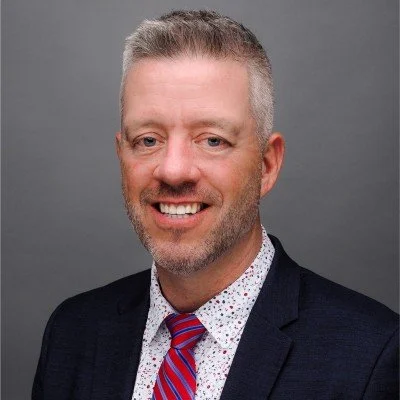
Ryan Grammatico is passionate about transforming lives through data-driven nonprofit work. With over a decade of leadership at Right Moves For Youth (RMFY) in Charlotte, North Carolina, Ryan has a track record of turning vision into reality. As Executive Director, he’s not just managing programs; he’s elevating them—ensuring that every initiative is backed by measurable impact and strategic growth.
Ryan’s approach is deeply personal, leveraging his expertise in leadership, fundraising, and communications to build meaningful connections and foster collaboration. Ryan’s leadership is a blend of relationship, innovation and accountability, always with an eye on what truly matters: empowering youth and making a lasting difference.
Learn more about Right Moves for Youth and connect on Instagram, Facebook, LinkedIn, or X.