Community Approaches to Youth Vaping with Keri-Lyn Coleman
Listen to the Common Good Data Podcast on Apple Podcasts, Spotify, or YouTube.
The rise of youth vaping presents a new and significant challenge in the field of substance use prevention. Despite celebrating the decline in cigarette smoking as a public health win, nicotine use has now moved to vapor products and pouches.
This issue is closely linked with concerning trends in youth mental health, particularly in the aftermath of the pandemic. Understanding the connection between these two factors and exploring how communities can create supportive environments to address them is crucial for effective prevention efforts.
Keri-Lyn Coleman, a national expert in substance use prevention, joins us to discuss how leveraging data collection tools and building collaborative partnerships between schools, universities, and local organizations can improve our efforts.
By integrating these approaches into community initiatives, we can create more effective and sustainable solutions to support youth well-being and prevent substance use.
You’ll Hear:
(02:04) The unique challenges that youth vaping presents compared to more traditional substance use prevention efforts.
(08:57) The tension between implementing strict school policies, such as zero-tolerance policies, and the need to keep students engaged in school without resorting to punitive measures.
(14:28) What challenges organizations are facing with data collection on student vaping, and how they are addressing these issues.
(18:36) How in states like California and Colorado, organizations leverage statewide surveys and local data to assess substance use and mental health at various levels.
(31:24) Why the future of prevention efforts will require considering the intersection of mental health and substance use.
Key Takeaways
Integrating health screening tools into prevention efforts helps identify at-risk youth early by evaluating their mental health and substance use behaviors. By using these screenings, organizations can more effectively tailor their interventions to address individual needs, thereby improving the overall effectiveness of prevention programs.
In some Southern states, restrictive policies on health interventions and data collection hinder efforts to address student vaping. This lack of reliable data complicates program planning and evaluation, leading some organizations to avoid federal grants. However, by using alternative data sources like proxy measures or developing internal data collection methods, such as school surveys, organizations can still improve their grant applications and prevention efforts.
Reducing substance use and improving youth well-being requires more than just focusing on prevention efforts—it involves addressing underlying conditions like mental health issues and loneliness. By creating environments that promote connection and support, communities can tackle the root causes that often lead to substance use. This approach offers a more comprehensive path to ensuring long-term positive outcomes for young people.
-
[00:00:00]
Drew Reynolds: Welcome to another episode of the Common Good Data podcast. I'm your host, Drew Reynolds. And today we're tackling a critical issue that's impacting our youth nationwide, substance use prevention, with a special focus on the alarming rise in vaping. Joining us is Keri-Lyn Coleman, a leading expert in substance use prevention with over two decades of experience.
Keri-Lyn has worked at the highest levels of national policy, including as a former White House drug policy advisor, where she helped shape initiatives that support healthier, drug free communities. Today, she's at the forefront of designing data systems that empower local and regional prevention efforts, ensuring that the strategies we implement are both effective and sustainable.
One of the interesting aspects of substance use prevention today is that unlike other areas of human services or mental health where challenges have remained fairly consistent, we're now confronting entirely new issues with youth vaping without necessarily a strong base of evidence based programs to [00:01:00] guide us.
Some, but maybe not as many as we had previously. Keri-Lyn and I discussed how organizations are responding to this. rise in vaping. We touch on several challenges, such as how to balance strict school policies with the need to keep students in school and not suspended, collecting data from youth amidst new state regulations, and how the intersection of mental health and substance use requires a real holistic and community based approach.
This conversation will be especially relevant for those of you working in prevention to see how data and collection can And community collaboration are being used to tackle this issue. But as you listen, consider how you could apply these strategies to strengthen your own community initiatives, regardless of the area in which you work.
And now let's hear from Keri-Lyn.
Drew Reynolds: Keri-Lyn, welcome to the Common Good Data podcast.
Keri-Lyn Coleman: Thanks so much for having me.
I'm looking forward to the conversation.
Drew Reynolds: I'm so thrilled you're on this show because you and I have lots of great conversations particularly in the area of substance use prevention. And I'm curious, [00:02:00] what are you seeing currently in the field of substance use prevention and youth? And what data, what are things are you seeing that we should be concerned about?
Keri-Lyn Coleman: Yeah SAMHSA does the national survey on drug use and health, and they recently released their findings for the 2023 calendar year when they had the survey out in the field in 2023. And so they released, recently released their finding. Those findings show that the biggest concern that I'm seeing is vaping of nicotine.
There are more people initiating vaping in the last year than any other substance. And when I got into the field of prevention, we were really like touting cigarettes and nicotine as a big public health win. And in the last 10 years or so, we've really seen a shift. in people beginning to use nicotine, but through vapor products.
And so that has been a particular concern. In addition, it's not in the NISDA data, but I have [00:03:00] kind of youth that, my own children that are in that high risk category between high school and college. And have seen with their friends in the high school and college settings these nicotine pouches called, often referred to as zis.
The slang is also Zimbabwe's . Oh, wow. You might hear variety Yeah. Of different ways that they're referred to, but they're nicotine pouches that kids. Or adults are putting in their lip and then sucking them and absorbing the nicotine that way. And so that they are widely available and raise serious concerns around addiction and also not understanding the health effects of those products.
And nicotine and the ways that kids are ingesting those products is particularly concerning right now.
Drew Reynolds: I'm hearing the same thing from lots of, coalitions and other substance use organizations I've been working with that they focus continues to be more on vaping. And that's what you are talking the most [00:04:00] about.
I'm not sure I'm curious about your thoughts on this. I hear sometimes anecdotally that part of my thought around this too, is that Maybe it's becoming so prevalent to not just in the data, but because of the fact that it's so often brought to school in a way that other drugs are not like alcohol, it does, but maybe not to the same extent as vaping.
And so I'm wondering just in terms of the type, how it's more concealable, how it's more private and how maybe perceptions around vaping in terms of risk or use of change that it just seems to be more prevalent than other substances. Are you seeing that too?
Keri-Lyn Coleman: Absolutely. And I do think that because the, nicotine, the vape cartridges or the way that it is able to be concealed, they look like other products that kids might have, like pens or other storage devices, et cetera.
So I think they're super easy to be concealed and kids are bringing them to school. One particular, which brings me to the next kind of concern that I've seen in the data. [00:05:00] One school district that I was working with in Florida tested the vape products that they had confiscated in the classrooms and in schools, and they found that an alarming percentage of them actually contained cannabis.
And the vape pens or vape as a mode of Getting a substance is just one piece of it. It's like what is contained in there. Much of it is nicotine, but an alarming number of them actually are containing these cannabis products and so that is an additional concern around how easily you conceal they are and then also that I think a lot of adults and parents in particular may not be aware that it's not only nicotine that is being absorbed through those products.
Drew Reynolds: One of the things I think is so interesting in the area of substance use, and certainly right now, is that maybe relative to other areas of We're in human services, mental health or where, the problems seem to seem very the same as they were maybe five or 10 [00:06:00] years ago. Maybe they have a different look to them, in a different context, but it's the same kinds of challenges.
With substance use prevention, this seems like a very new challenge where we don't necessarily have tons of evidence based programs and approaches to address an entirely different form and approach that people, young people are using substances as they were before. So I'm curious from your perspective, what are you seeing organizations do to respond to the rise in vaping among youth?
Certainly peaking with the rise of Juul a couple of years ago, but still very prevalent now, how are people responding?
Keri-Lyn Coleman: Yeah, I think at this point a lot of folks are doing the things in schools in particular and trying to put in policies to eliminate the, just certainly put in policies that say that these products are not allowed on school campuses.
I know school just started for my high schoolers, and they had assemblies this week, and they were told that they will be expelled if they are that these [00:07:00] products are found on them in the school building. So they are starting with some policy changes around, where not being able to bring those to school and having some clear consequences to those.
That being said, my concern is that in the community, again, they're widely available. Kids can buy these. I'm not sure that the, that they're getting carded. I'm not sure that, these vape shops are showing up in every corner of our communities. We've got billboards that are, advertising vaping and other, and then CBD and all these other products.
And I don't know that communities have been able to respond quickly enough to put policies in place and address these things and even do some of The other policy changes that we know have worked around alcohol and other things where go in and make sure that they are not allowing kids under 21 to go into these shops, vape shops and other things and that [00:08:00] they're carting consistently in convenience stores and other places where kids can go, but that they are, should not be allowed to purchase these products.
So I definitely think that there's a lot of work to be done and I'm not sure. That we've been able to respond quite as quickly as I would have liked to see.
Drew Reynolds: For sure. One of the, one of the things I also am finding as a tension in the field of prevention is on one hand, knowing that the data around restricting access tend to be strongly correlated with a decrease in use when you restrict access, you're going to have less use, which is that positive outcome.
On the same time, we also have a large. Response to coming, not just from substance prevention, use prevention, but more around schools and behavior issues around no tolerance policies, right where you'll have a the school will come out on a more stringent policy on one particular behavior or outcome [00:09:00] with suspensions and explosives.
And then we see rises in that, which then fuels this. In that argument, a school to prison pipeline kind of situation. So how this is obviously attention that is not easy to resolve in any situation and in each local community will probably respond a little differently. But I'm just curious about how you observe that tension in the field and how are you seeing different organizations try to accomplish two different policy goals for lack of a better word.
I guess right now of reducing vaping use while also trying to keep suspense, keep students in schools and not being suspended.
Keri-Lyn Coleman: Yeah, so I do think that's where that community approach comes from because if you have a student Who is able to access the substance in the community. Then that is a problem because it creates more likelihood that they're going to have that substance on camp school campus or an after school activities or, and other places that they're not supposed to have it.
That's why I just, I've always been committed to the community level and [00:10:00] coalition approach, because I think these things do need to work in tandem. Because if you. Do get super strict in the school system, but you haven't educated the parents about what they should be looking for at home and making sure that they're, the positive things they can be doing to try and prevent substance use among their own children.
And then you haven't. Done the things in the community to address the policies and reduce access to kids, then you're setting these kids up for for not really being able to be successful. I think it's the school, working with the community and making sure that those policies are working together and then engaging the parents and the afterschool programs, et cetera, so that the kids are getting the message across the community that is consistent.
Drew Reynolds: This is, of course, a podcast about data and evaluation, so I would be remiss if we didn't dive into data somewhere along the way. How are you seeing organizations think about evaluation of programs, environmental [00:11:00] strategies, and strategies? Around vaping and how you seeing people approach that internally in organizations, both from a process and outcomes evaluation approach.
I guess maybe the way of thinking about it is as people are rolling out new types of strategies to restrict access in schools or address. Not being carded at a vendor's location or changing use perceptions around risk of vaping use. How are people you're seeing using evaluation approaches to track their progress on those things?
Keri-Lyn Coleman: Yeah, so definitely I think we always start when we're working with organizations or coalitions with a logic model. So you have to create that theory of change. And so I suggested that a theory of change around vaping products is that you bring the community together and you put policies in the school.
You educate parents, you probably educate youth around the risks of this substance, their health risks and other things. And then you create a [00:12:00] community policy so that you restrict access. So the theory there is that if you do these set of strategies, you're going to see reductions in use. So you've got to start with what is our current use rates around vapes or any other product that you're choosing to, to address and because you've.
See that as a problem in your own community. And then behind that logic, you need to, select your strategies and then you need to be tracking the implementation of those strategies. So you may have a goal of doing compliance checks at X number of stores within your community, but tracking whether or not you were actually capable of completing those compliance checks.
is the first step to know whether or not you would see any downstream effects of that. If you're going to engage parents and do parent presentations and education, how many parents did you reach? And then, two, three years later, will you see hopefully the changes in substance use?
So I always link it back to the logic model, making sure that [00:13:00] You're you have a theory of change and that you're checking the data throughout that process to make sure that you're meeting the initial benchmarks of doing the things you said you were going to do then over time being able to check the actual changes in knowledge, attitudes, behaviors, and perceptions.
Drew Reynolds: One of the things I am struggling with when I've worked with organizations, and this is true, particularly in North Carolina, and I think there were another number of other states across the South is another kind of policy tension that's arisen in school settings between policies like parents bill of rights bills and others that are restricting the ability of schools to do more health based interventions in school settings and also the ability to collect data and information that's reliable around student use of vaping products and others.
And so some coalitions, that I've talked to are saying we can't get the information that we need around use substances. We don't know the answer to how [00:14:00] much people are using vapes in the school. And then that really makes the logic model planning process a lot more difficult because we don't have that local data about how use is happening.
Are you seeing a similar pattern? And how have organizations that you've worked with been thinking through some of those challenges?
Keri-Lyn Coleman: I've absolutely seen that challenge particularly as you mentioned in, in some states in the South. And unfortunately, I have seen organizations choose not to go after federal dollars because they don't believe that they can actually do the data collection required of them to, to be successful in the grant application process and then in the reporting process as it goes on.
Um. From a public health perspective, just suggesting that we shouldn't collect this data in a, statistically valid way is particularly challenging because ultimately I think we all have the same goal, which is that we want healthy, [00:15:00] productive young people and unless we know the challenges that they're.
Facing it's hard for us to put in appropriate interventions to address those challenges. So I I sympathize with these organizations and work with them and see how difficult it is. And what has been fantastic in some states over the last several decades is they have been Data that they can trace back, two decades.
And so to see some of these states or communities saying, you know what, we're not going to collect this data any longer, you're really seeing a break in a trend. And so you can't really see. What's happening with our kids today. Working with those local communities and trying to come up with other proxy measures is one way to do it.
So if you can't actually survey students in the school, you can see how many vapes have been confiscated from.
But it is, you've got to [00:16:00] try and find other ways to make the case and try and understand what's happening among these young people.
Drew Reynolds: Yeah, I think that's a great point. Trying to find those different proxy measures, lots of states will have data on I think there's a federal requirement for a student data around discipline.
And a lot of times that can be. Broken down by infractions for alcohol or other forms of substance, which can be some of those proxy measures, but it is tough. I'm glad you raised the point of organizations choosing not to go for federal dollars because I it shows how important it is to have strong and robust data.
Both from a community assessment perspective, but also your own ability to collect data on the work that you do in the progress that you make to be able to access the federal funds that, constituents in your state need to be able to access the prevention services that they should have what I'm curious if you can maybe share an example or or whether, you don't have to necessarily give a specific one or [00:17:00] more generalize your choice.
But where you can talk about an organization who really developed some of those internal capacities around data and evaluation work, where they were able to. Build out a new type of way of collecting data a school survey or something that then you saw that organization develop more capacity to seek the kind of longer term, larger size grant submissions to sustain their work.
Keri-Lyn Coleman: Yeah. So many of the communities that I work with have been lucky in that their states have these statewide surveys and they can get to county level and even school district level data. And that's the best case scenario, because you're not spending a ton of time on student surveys, but instead can use that data to get the big picture of what's happening, understand your risk and protective factors, and then build your and then gather data at the local level around consequences and using that school data that we were just talking about as proxy, instead using that as to support the [00:18:00] and amplify the information that the school The statewide survey information is giving you.
So in the absence of that, we there are, so we have a tool that the communities have used to do screening. So we have two different technology tools that, that we work, but one is a screening tool. And so organizations. We'll go in and screen students for substance use and mental health, primarily depression or anxiety.
And they based on the results of that screener can it'll determine what kind of intervention might be necessary. Sometimes it's education. Sometimes It's more intensive referrals to outside resources for those students. But when they use the screener they can do a post test or do a second screen 90 days or 120 days later.
And so then you've got time one, time two data, and we can aggregate the data across the school or across the county. Or across the entire health district. We've got pretty large data [00:19:00] sets statewide data, et cetera in this tool. And so we've been able to use that to see the trends in substances.
You can also, because it's. While we're looking at the aggregate level, we're collecting it at the individual level. So we've got information about race and ethnicity and age and even zip code. So then we can, it can be a really great tool to see changes in substance use or other behavioral health conditions within communities and people in the communities we're working with have used that data.
To help them, respond to what they're seeing not just at the individual level, but when they look at the aggregate data.
Drew Reynolds: And what was the name of that tool again? Sorry for our listeners.
Keri-Lyn Coleman: That one's called Wellscreen. So it's based on the screening brief intervention or referral to treatment model, the SBIR model.
Drew Reynolds: And so for the Wellscreen. tool that you're using. I'm imagining some listeners to the show might be thinking to themselves, man, I [00:20:00] would love to have a tool like that to be able to do that comprehensive screening of students and to work collaboratively with school districts to pull that off. But there's often a challenge that prevention folks run into when they're working with a local school district or at a statewide sometimes too.
And is, I'm curious if you have like thoughts about what makes for a successful partnership. With a school district or a statewide school system to be able to engage in these types of health screening tools that provide such, a great benefit to the students.
Keri-Lyn Coleman: Yeah, so we are super excited to be working with a school district in California and they are, it's really incredible what they're doing.
They have are implementing it. They started with a pilot last year and then this school year, they're expanding it into 2 additional districts and with the pilot last year, it started with a collaborative effort. So they partnered with the university. They partnered, that university had a school of social work.
So the [00:21:00] social workers were going into the schools as school social workers to help provide services. They had the school district, of course, was a partner. They have local mental health and substance use prevention and services, service providers in the community who come, who came to the collaborative.
So they really started not saying, Oh, we want to do a screener. They said, Hey, we need to do more around behavioral health in our. And there is a developing infrastructure in California so that they can use Medi Cal dollars to pay for screening and interventions in school settings. So they are leveraging those dollars and saying, Hey, we can actually.
done right, we can actually generate revenue to support these programs. We don't need to get these outside grant dollars that may not last for more than three or five years, etc. So they started with a collaborative, they determined what the issues were, and then decided that trying to do a [00:22:00] screening protocol would be The best use of their efforts.
So like I said, they started pilot last year. They created this really fantastic workflow. So they've trained all of the interventionist or folks who are going to be doing the screening on the expert model on the actual technology and, general kind of technical assistance and training.
One of the cool things that they are able to do is they've created these little, um. Cards for students. So when students come to the wellness clinic they have a QR code and the student uses the QR code to directly go into the screening tool. So they sit in the waiting room, complete the screening tool, and then when they go back to meet with the.
Provider which again could be a school counselor or social worker, nurse, et cetera. They have completed the screener and they can then get the results and review the results with the counselor or whatnot. Anyway, I could go on and on, because [00:23:00] I'm just so impressed with the work that they're doing out there.
But it is again, I think it starts with a collaborative process and making sure you get the right people at the table and then. Looking at what are the common issues that we want to address and then looking for evidence based strategies to address them.
Drew Reynolds: It's a dream, right? I imagine someone living where I do here in Atlanta and then doing work in North Carolina throughout the South.
It's hard for me to imagine a scenario where you would have a university, a school district, and state and federal dollars all partnered around the same thing. It's hard to envision that happening. And I'm sure that there are places where it probably does. But I'm trying to be honest for listeners who probably might feel that same thing like, oh, that can only happen in California.
But I, I do think it raises another thing. I had an experience with one organization that I worked with that was able to successfully lobby its local county government to adopt its behavioral health plan. to incorporate more [00:24:00] substance use prevention type work. And so it was an interesting example, and I think win for that organization, to see that advocacy is also an important part of the prevention approach, and that it requires advocacy at state and local levels to be able to accomplish these types of things.
So I've used found, similar examples in your work where organizations are engaging that level of advocacy or trying to find ways. to make the environmental circumstances more favorable to being able to do the type of effective prevention strategies that we know are effective.
Keri-Lyn Coleman: Yeah, I'm working with another community in Colorado, and they are just beginning the process.
so this community has wide discrepancy in household income. So they have a large migrant community that is working primarily in the services industry, and then they have very extreme wealth in the community. And they just, [00:25:00] They recognize that they've got some real challenges to face.
And so they found a woman who is super dedicated in the community and has lots of relationships and has just started the community coalition process over the last six or eight months. And they did a kickoff meeting in January and they were able to get the mayor. The school superintendent, the sheriff ever all the big hitters within the community to come to this meeting.
And then they also had school teachers and parents and youth voices in that room. And so when it was really a fantastic meeting, because the teachers were able to say, this is what I'm seeing in my classroom. The youth were saying, this is what we. Are experiencing in our schools, and they were talking directly to the mayor and to the sheriff and to the school superintendent.
So that and essentially that is, advocating [00:26:00] for themselves. And throughout that kickoff meeting, we were able to present the data. They had some really great data. And then talk and share these kind of more qualitative stories about what is happening in, within the, with the teachers and students, et cetera, and then come to some really generate some energy around some strategies to implement over the coming, year or so.
Drew Reynolds: A good example of working on a local level and the power that partnership can have. And everybody, whenever you talk about community partnership, everyone's yeah, of course, that's a great thing. But I think when you dig into the details a little bit, you see how challenging it can be and how it really requires.
a lot of strength and leadership from people to be able to bring all those folks together at the same time and have that conversation. But when it does happen, and when you have people around the table who are all stakeholders and have an interest in child and youth wellbeing and health that you can, start to break down some of those barriers that get in the way [00:27:00] of that kind of effective care.
I'm curious about maybe your thinking in the long term. As organizations that you're working with are implementing some of these tools and trying to reduce youth substance use, what are some of the big challenges that you're, you think that the field of prevention is going to encounter? Over the next couple of years related to vaping use related to rising concern around mental health social media any of those I guess that's a very broad question to ask You can brainstorm with me on it because this is one that I always want to make sure that I give myself a chance to Take a step back a little bit from the work And observe some of these challenges.
And for me, as I've hinted to a little bit in this interview, I think policy being a big one, but I'm just curious about, what is, what are we, what should we be anticipating? What should we, when you're writing a five year grant, what do we think years three through five are going to actually look like?
Keri-Lyn Coleman: Yeah, so I think I've been thinking a lot about this more from a, [00:28:00] Not necessarily, so I can go into different particular policies and dive really deep into, marijuana policy and cannabis and, the legalization efforts and how far they've come just over the course of my professional life as far as like, How far they've come in the sense that they were very restrictive when I started and they have really plowed forward and there's got a lot of momentum around the legalization of those substances.
And so it is a different landscape. And then again vaping and other things are available today. That was not a issue 20 years ago. So the landscape definitely does change. One of the, and you mentioned mental health, one of the real concerns that we've seen over the last five years is around youth mental health.
And so there were data that came out right after the pandemic that really raised alarms. You probably saw national news stories about, our kids are not doing okay. And it is true. [00:29:00] That the data right after the pandemic was alarming. The good news is that that seems to have moderated slightly in the 2023 data.
But the problem is that the 10 year trend around mental health and youth is going in the wrong direction. And so it's definitely something that we need to, be thinking about and we know that there is this bidirectional relationship between substance use and mental health. The community I was just talking about has the suicide rates and they also have high substance use.
We were able to look at the data really closely to see are the same kids who are having mental health issues also using substances and there is a correlation. The challenge is we don't know Which came first? Is it they're using substances because they are you're using substances to address the mental health issues?
Or do they have mental health issues because of the substance use? It could be either or and maybe it is, 50 50 depending on the, the [00:30:00] particular youth that you're talking with. So there are, I think what I've been thinking more about is this Okay. More of the underlying conditions that are creating an environment where kids are feeling lonely and disconnected and they are therefore suffering from depression and anxiety or they're and or they are choosing to use substances.
And so what can we do as communities to create. More connection for kids to decrease loneliness to create. joy and and, the sense of wellbeing among youth. And so I, again, I've been looking a little bit more at like creating a different environment, not so much and I guess I'm thinking of it in a little bit of a different way of the baseline environment [00:31:00] being one that again, encourages connection and encourages this being versus thinking about what are the problems and how do we create an environment to, limit those problems.
Drew Reynolds: I've definitely seen a willingness in organizations. To be much more unapologetic about addressing issues that are seen as more upstream than substance use and even though they're technically a substance use prevention organization, and you might think of them in terms of an organization that's focusing primarily on vaping and alcohol use, but who are very willing to say, we're going to talk about friendship with 5th and 6th graders.
We're going to talk about coping with mental health challenges and stress. And that is a thing that I continue to see more and more of in how organizations are responding which I think, to raise the broader question of what is it, what is prevention going to look like in five years? I think that we, and [00:32:00] this is me just brainstorming.
So you let me know if you think this is. Right or not, but that we're almost entering a space where prevention is becoming much less siloed insofar as it being focused on specifically prevention, either in substance use or on, violence or other things and recognizing that those things are also interconnected.
I find it funny that you can look at an organization that's doing something and it's pulling from, a federal agency, whether it's SAMHSA or it's justice or school education or other, wherever it may be, the funding may be, but it's the same program. It's the same type of approach because they're really working on outcomes that address academic achievement and educational success and also mental health and also substance use and also violence prevention.
And to see organizations be able to navigate that landscape And really be willing to say, no, we're going to work on all those things because that's what building connection with youth is all about from the start. I think it's just been a fascinating thing to observe in the field.
Keri-Lyn Coleman: Yes, and I I totally agree. And it's a kind of an [00:33:00] interesting topic to discuss because I, I think that at the local level we are going to see more of that upstream, like you're saying, looking at kind of these shared risk and protective factors. And I saw an interview recently with the new CSAT.
I guess he may not be that new. He's almost been there a year. The CSAT director, Chris Jones, who came from CDC. He's very interested. And he was talking about these shared risk and protective factors. And so I absolutely think that that you don't necessarily by addressing some of these underlying conditions, you're going to address education and justice and in general, public health and substance use and mental health and all the things.
The funding, however, does still come from these different agencies that have different requirements and whatnot. And I know from working at the federal level, there, people get really jittery if you start talking about combining the funding for mental health and substance [00:34:00] use or for justice and education, because people, Want to make sure that their project or their, kind of priority doesn't get subsumed by something else.
In prevention, we often lose out to treatment or interdiction. There's far fewer dollars going to prevention. So there is a sense of Await how, I don't want my dollars going to these other things. And then we lose out substance use prevention specific dollars or programs or projects.
And so trying to come create policies. That is coordination at the federal level that we'd like to see but then creating policies and other things that support this collaborative approach at the local level, I think is is important too.
Drew Reynolds: And it'll be interesting to see how that gets reflected in future funding proposals, how much integration are we seeing and [00:35:00] willingness to move out some side, sometimes the disciplinary silos to go more expansive.
As we come to a close here, I'm curious for folks who are interested in your work. I know you've done tons of work at the national level, but also working with state level organizations and also local coalitions. How can they get in touch with you if they're interested about Wellscreen or some of the work that you do?
Keri-Lyn Coleman: Yeah our website is collaborateandgrow. com. That is our, I have two kind of different projects. I have more than two. I have lots of projects I work on. But Collaborate and Grow is my primary organization. And we do Strategic planning and grant writing and other work with organizations, but then we have a several technology tools that organizations can use to collect their data and report their data.
And so that's the performance based prevention system. And the coalition management system. Those are the 2 tools that are used. Performance based prevention tool is usually used by states. And [00:36:00] then the coalition management system is often used by local communities. And then there's Wellscreen, which is the screening brief intervention or referral treatment technology system.
And so that's wellscreen. health. So lots of tools out there to hopefully assist communities and creating healthy, safe places to raise their kids.
Drew Reynolds: Keri-Lyn, thanks so much for joining us today.
Keri-Lyn Coleman: Thank you so much. It was a pleasure.
Our Guest
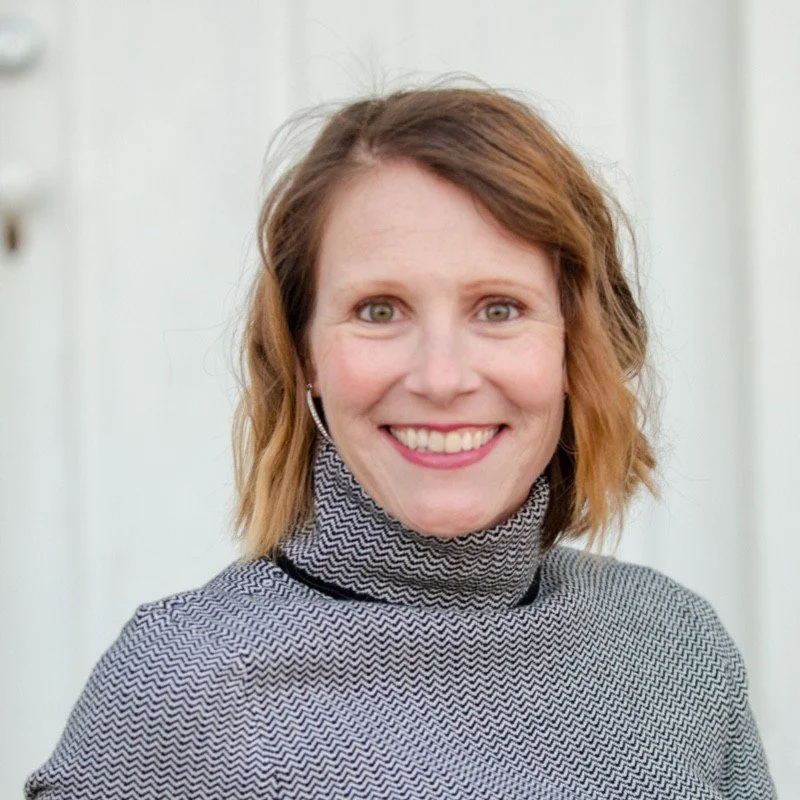
Keri-Lyn Coleman, MSW is a former White House Drug Policy Advisor and National Substance Abuse Expert. She has over twenty years of experience in the field of substance abuse prevention and behavioral health promotion. Since Keri-Lyn has worked at the community, state and national levels, she appreciates the complexity of her client's biggest challenges.
Today, Keri-Lyn designs and develops customized data systems to support the work of substance abuse prevention programs and behavioral health initiatives at the local, regional and state levels. Over the past decade, Keri-Lyn has provided valuable evaluation, strategic planning, and fundraising assistance to non-profit organizations, corporations, coalitions, state agencies, and communities throughout the United States. She has also assisted agencies in securing over $50 million in grant funds.
Learn more about the Collaborative Planning Group.