Community Organizing in Behavioral Health with Kristin Kidd
Listen to the Common Good Data Podcast on Apple Podcasts, Spotify, or YouTube.
Behavioral health issues are closely linked to larger social and environmental factors.
That’s why communities need to come together and find sustainable solutions.
For those in human services, mental health, or prevention work, it’s easy to focus solely on delivering programs and services.
However, advancing your mission often involves looking beyond these to embrace advocacy, systems change, and environmental strategies.
Joining us is Kristin Kidd, co-coordinator of the SAMHSA-funded Southeast Prevention Technology Transfer Center and director of the North Carolina Behavioral Health Equity Initiative.
Kristin has a wealth of experience working with organizations that use community organizing to promote behavioral health equity.
We discuss how nonprofits can leverage advocacy and systems change to advance their missions, even within the constraints of nonprofit guidelines.
You’ll Hear:
(03:17) How community organizing can bring positive changes to behavioral health.
(07:52) How Kristin has gotten grantees out of the nonprofit industrial complex mindset.
(12:32) What it looks like to have community organizing in the behavioral health space.
(16:50) How coalitions and grantees are collecting data from the community to push for policy changes.
(23:04) How to go about advocacy in a non-partisan way.
(26:44) If Kristin forsees more organizations taking environmental approaches toward behavioral health challenges.
Key Takeaways
Effective community organizing can lead to significant improvements in behavioral health by addressing social and environmental factors. Partnerships between youth and adult coalitions successfully implemented smoke-free policies in Colorado, such as smoke-free parks and expanded clean indoor air regulations. These efforts not only improved public health but also shifted social norms and empowered community members to advocate for change.
Nonprofits can engage in advocacy and systems change without violating their guidelines. The Boys and Girls Club supported youth-led advocacy for tobacco retailer licensing despite pushback from a local supporter. Nonprofits can align advocacy efforts with their mission while maintaining support from leadership.
To advance behavioral health equity, nonprofits should look beyond traditional programs and services. The Alabama Department of Mental Health has an innovative approach to funding changes based on social determinants of health. This strategy aims to address the root causes of behavioral health issues and ensure that resources are allocated where they are most needed.
-
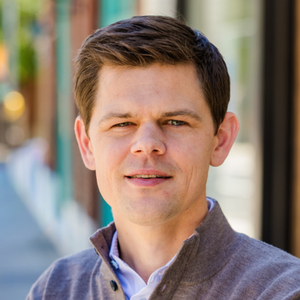
Drew Reynolds: Welcome, everyone. This is Drew Reynolds with the Common Good Data podcast, and I'm thrilled today to have a conversation with you all about community organizing in the context of behavioral health. And to do that, we've invited a wonderful guest, Kristin Kidd, who serves as co coordinator of the SAMHSA funded Southeast Prevention Technology, Transfer Center, and then also, um, who is the director of the North Carolina Behavioral Health Equity Initiative.
And through her work in both of those organizations, but particularly in NCBHEI, the latter, you know, she's had the opportunity to accompany a number of different organizations who are using a community organizing framework to advance behavioral health, uh, equity and, and wellness in their communities.
So I also think that this is a great conversation to have for really anybody in the nonprofit space who is trying to wrestle with the question, how do I advance my mission? A lot of times when you're doing Human services [00:01:00] work or mental health work or prevention work. You're thinking about programs and services, but really thinking about advancing the mission of an organization through advocacy and through systems change and through environmental change.
And this episode is really going to help you think about how to do that as an organization, right? We sometimes get, sometimes we'll shy away from these things because when it involves going and speaking at a. Uh, City Hall or a County Commissioner meeting, uh, when it means, um, you know, going and making a campaign, a signature campaign among your constituents, we sometimes get worried to think, you know, hey, am I going to alienate some people or are people going to think we're being too partisan or political, which we can't be as nonprofits?
Um, you know, but there are ways to engage in advocacy that are certainly consistent with your, your mission. And that wouldn't violate any of the expectations that you have as a non profit, but are necessary for you to be able to enact the kind of change in a community that is needed, um, to serve your mission.
And so this is a great, uh, uh, uh, [00:02:00] episode, I think an interview for those who are trying to wrestle with that question a little bit. So very excited to have Kristin Kidd on and without further ado, we'll just dive right on into the interview.
Drew Reynolds: Kristin Kidd. Welcome to the show.
Kristin Kidd: Thank you very much, Drew. It's nice to be here.
Drew Reynolds: Well I'm so
thrilled to have you on because you and I have worked together in a variety of different capacities, and it is so fun to be able to have an opportunity to talk about your work. Things from the 30, 000 foot view, which we do a little bit here on the podcast. And so, you know, one thing that I think is fascinating, I have lots of folks with conversations with folks in substance use prevention, and a lot of times we get stuck in the space of delivering more programs and more services.
And you and I have had the opportunity to, uh, connect over. a different initiative that you're doing with NCBHEI that's really about using more of an advocacy and a community organizing lens [00:03:00] to bring about positive changes for behavioral health in the community. So I'm just curious about, can you talk a little bit about kind of the approach, you know, what was it that that initiative was looking to do, why it kind of did that, and how you're seeing that really move the needle, um, in substance use prevention.
Kristin Kidd: Yeah, exactly. Sure. Well, I, you know, I originally came from public health. That's my, well, my background is anthropology. What do you do with anthropology degree? Well, you get into something like public health or banking. I did banking. Um, but my career really started in the public health world out in Colorado on tobacco control.
And, you know, tobacco control has a long history, a long successful history of community organizing and advocacy work and creating policy change. You know, the majority of states have smoke free, clean indoor air laws, um, and there's been a huge youth movement in the tobacco work. So when I came to, back to [00:04:00] North Carolina and specifically at Wake Forest and started working with the NCBHEI, which is the North Carolina Behavioral Health Equity Initiative.
I was really interested to learn more about what they meant by behavioral health equity and the strategies that they were guiding the communities to undertake. And as I learned more and moved into the ranks and eventually became the director of the program, I really wanted to bring that public health approach of advocacy and community change into the work.
Because, like you said, when you talk about substance misuse prevention, a lot of it is serving individuals, serving families, curriculums and schools and programs. And I really felt out of place because I thought I've never really worked specifically on a curriculum. When I've engaged with young people, it's through helping them find their voice and their power in a community and creating change.[00:05:00]
So that's what the North Carolina Behavioral Health Equity Initiative has, um, slowly moved into is focusing on. Engaging those people in the community that typically don't have a voice, that don't have strong social determinants of health, those non medical factors in a community that really impact health, like Access to health care, mental health services, adequate education, early education, you know, community connectedness.
Um, these are really important factors that I have encouraged the grantees to focus on, um, but not on their own. The, the, the people that I fund, the agencies that, that my program funds, it's, it's not about the agency doing the work. It's about the agency engaging residents and the community. and building their capacity and helping them find their voice so [00:06:00] that they can become the advocates of change.
You know, ultimately, and I've talked to the grantees, for me it's about this, um, one of my collaborators talks about the the non profit industrial complex and that we get the, we get these federal grants, we get these state level grants, and we serve our communities and we We try to improve the lives for people and reduce substance use issues and reduce, um, the cases of mental health issues.
Um, but we keep doing it over and over. And what we're not doing is really empowering and educating and building. the capacity of the residents themselves so that they're the ones who can help, you know, can create the change and better their lives. And, you know, eventually maybe some of the nonprofits need to find other, other, um, areas to focus on.
But that's really what it's about. A really long answer to a pretty direct question.
Drew Reynolds: I mean, that's, that's the kind of thing [00:07:00] that we're looking for. And I, you know, in the experience that I, you know, I've had in the, in this project, uh, tangentially was you mentioned the nonprofit industrial complex. And I think it's really interesting as a funding mechanism to say, Hey, we're going to just simply focus on you building capacity and community, because you often see the exact opposite with funding, which is to say, you know, we, we were expecting X, Y, and Z results.
Um, and you know, you need to deliver X, Y, or Z set of programs that fit within our goals and criteria to be able to do that. So I'm curious, can you talk a little bit about, um, the experience you've had with the grantees? Cause I think sometimes in the nonprofit sector, we almost, we learn that, we learn that model of grant making.
And then when we are presented with an opportunity that's different, it can sometimes be hard to unlearn, uh, you know, the, uh, the nonprofit industrial complex mindset, can you talk a little bit about that? How that's been for the grantees.
Kristin Kidd: Yeah, I'll just tell you described. I think it has been an almost an unlearning and a new learning and it [00:08:00] we fund the communities for three years and this year we're only funding five communities. We kind of see this as a pilot and what and I work with an evaluator and what we're finding some of the recommendations as we move into this last year is to to remind the grantees that we're not about providing a service.
Um, because it almost becomes that sense of, uh, I can't think of the word, like, um, almost parentalizing themselves, like, we're going to make, we the agency have this money and we're going to make your lives better and you're going to be okay. Trying to get them out of that and have a paradigm shift, which, it's been a struggle, and, but it's, it's a, it's a good struggle.
Um, that the, that the grantees are working through to sort of reinvent their approach and how they connect with their communities. You know, as, as they're, as they're engaging with community residents and other [00:09:00] stakeholders and organizations, um, you know, that's a process that they're learning how to connect with others, but they're all, it's also an internal process for the agency.
And a shift and a change within those, the staff members working on this project on how to let go a little and trust in the abilities of the, of them to engage with the community and trust that the community is going to be able to do it. And so it, it definitely has been. It's been a process, um, and I'm learning as the communities are, as the agencies are learning because in a lot of instances they're working with very vulnerable communities.
And, you know, I have a grantee who's working on housing issues and they're working with a very vulnerable community of, um, some of them don't have their immigration status. So the grantee has to be very mindful about still keeping the community residents safe. And not [00:10:00] pushing them into a place where they're going to be really uncomfortable going and they're going to fear for their safety and security.
So, there's just, it's just been a huge learning curve, I think, for all of us in this process. And, you know, you describe the grants that typically you get the funds and the grant says these are the activities you're to do. do in this structure and share your outcomes with us. Well, I intentionally wrote my partners and I wrote this grant to be rather loose.
And so while I like thinking outside of the box, I still struggle with the, the incredible amount of flexibility. And I feel that the grantees do too. And people wrote for a certain type of project and we're going to engage with this community. We're going to focus on this social determinant, or I like to see them more as social drivers of health.
Um, we're going to focus on this specific area and this is what we want to do. And as they start doing the work, they realize this is, this is not the issue. [00:11:00] These are not the residents that we should be engaging. This community over here is happening to fall into our lap and they have a very salient issue that we can work on.
So a number of the communities too have shifted their focus or perhaps they're engaging the same community, but whereas they thought the community really needs Um, they need to build this, this, and this within their school or within their community or with their service providers. The community has been stepping up through surveys and, and, and, um, key informant interviews and the grantee's been learning what we thought was the issue is not the issue at all.
This is where the community wants us to go. This is where they're leading us and we've got to support them and take that direction.
Drew Reynolds: We're going to come back to that question, but I want to open it up for listeners who maybe are a little confused when they see community organizing and behavioral health in the same sentence. [00:12:00] Cause usually when people think of, of organizing work or engagement work in the community, they might think of examples from the labor movements.
They might think of examples from civil rights, um, and they don't see people in their community who might be taking on an advocacy role or an organizing role that is about mental health or substance use or other behavioral health issues. So can you share just broadly speaking, what does it look like to do this type of community engaged work?
Um, around mental health and substance use.
Kristin Kidd: Yeah.
question. And you know, I see it as, again, going back to where we were talking about moving from, we'll call it downstream approaches, where you're working with individuals or families, maybe on a curriculum. For me, it's about moving upstream, which goes to that parable. You know, I hear people, I used to hear people talk about upstream and downstream.
And I thought, are they talking about? I don't get it. And I [00:13:00] know it comes up more and more and more and more people are learning the concept of But it's, it's simply put, uh, you know, there's a, there's a parable of someone standing by the river and bodies are coming down the river and they're like, what do I got to save these people?
So they keep reaching in and pulling a, pulling an individual out of the stream, um, and they're getting tired and they can't do it alone. And maybe a few people are helping them, but the bodies just keep coming. And finally, someone stops and says, I'm going to go see why the bodies are falling into the river in the first place and they go upstream to where they really, and find the issue is this bridge in this story.
The bridge, the railings have broken on the bridge and the bridge is falling apart and people are trying to cross and they're falling in. So if we want to not have to keep pulling bodies out of the water, we've got to move upstream to the real issue, the root cause. and Fix This Bridge. So, for me, you know, we, we can think about people in [00:14:00] behavioral health, specifically for me, it's in substance misuse prevention.
We can do curriculum in schools, and we can do counseling one on one with young people, or we can move upstream to think about what are the factors that are driving more young people, or more individuals to vape, or, you know, drink alcohol or suffer from mental health issues, um, and try to get more at those upstream factors.
And I think a successful approach in that, we've seen it in, you know, labor movements and, and civil rights movements. It's about engaging the community itself to be a partner in this work. And I think it's, it's certainly not a novel approach, but when you're talking about behavioral health, it is a newer approach.
Specifically in substance misuse prevention, which is a relatively young field, um, to get out of that paradigm of the individual and the family [00:15:00] and to incorporate that with strong upstream approaches that look more at root causes, that, that creates an environment and a community that is healthier, which is only going to support those individual approaches.
And those individual approaches support those, you know, upstream approaches. So it's, it's allowing individuals and families and members of a community to marinate in a more healthy environment because you've done the work upstream to repair those bridges and to perhaps reduce the density of outlets or change the laws or have stronger compliance efforts for certain substances.
Yeah.
Drew Reynolds: the grantees, you know, probably have had some experience of having to almost change mindsets in the community too, because that they're working in, in so far as in our culture, we have, you know, mental health issues and substance use issues as issues of the individual.[00:16:00]
Sometimes as a fault of the individual, if we're going down the route of stigma. But we don't necessarily think of prevalence of alcohol or vaping or the prevalence of mental health problems in a community as something that is brought about by environmental conditions. And I think that that's something that we have to continue to be thinking about.
You know, one other thing that I'm curious about is that you're Um, the coalitions and the grantees that you've been working for, um, that have been pushing for policy changes, they had to gather some information from the community, uh, to be able to understand and know that what they were working for and the change that they're going for was responsive to and really, um, uh, uh, driven by the community and also make sure that leaders were involved in doing that exact, uh, activity.
So, you know, how are people doing that? How are they gathering and assessing data, um, from the community to be able to, to get that information?
Kristin Kidd: Well, from a variety of methods, we have a three tier system that we use in data collection or that we train the grantees on for data collection. And there's [00:17:00] that 5, 000 foot where you're looking at the prevalence rates of an issue. You know, how many, how many individuals in this state or in this county or city, um, based on a survey are saying that they are using, using tobacco or using vape or using alcohol.
Um, or you can get rates from, you know, hospitals or national, national data banks. So you can look at the prevalence of a problem and that it's important to move your data collection efforts down to the 1, 000 foot level. So, which is looking at the high risk settings where the issues are taking place.
Are most of the problems occurring with this particular substance in schools or is it in particular neighborhoods? Maybe underfunded or under resourced neighborhoods or zip codes, um, and then it's looking at finally coming down to the ground and collecting that on the ground data, which [00:18:00] sometimes can be the hardest to collect.
And that's where you're looking at the consequences. of this behavior happening in this setting, so, what, what, what issues are arising from, from these, from the, these substances being used, say, for instance, if we're talking about substance misuse. And this is data that really gets to the heart of the matter, and it, this is where you get your stories.
They can really help engage more community members to see the importance of what you're doing. It can also be the, maybe the data that actually can sway a decision maker when you're sharing about perhaps a young person who has been hospitalized from vaping, or I've been at City Council meetings where young people talk about what they've seen their friends experience.
from using particular substances or perhaps even friends that they have lost. Um, so, you know, it, I can't remember what that, what that saying is. Like a [00:19:00] thousand people is a thousand people dying or a hundred thousand people dying is a, is a, is a story, but one person dying is a tragedy. Um, Yeah, so it's, it's that, it's that individualizing data that, that, that on the ground data that is so important.
So the grantees that I've worked with, of course, you know, as they wrote their grant, they shared the prevalence data, um, and they talked about the setting that they wanted to work in. Maybe it's a, maybe it's a trailer park. Um, I've got grantees working in multiple trailer parks, or it could be in a school with a high Latino population.
Um, but then they've worked with the community and they've, they've, some of them have trained community members on how to conduct surveys, um, to go out and survey their friends and family and neighbors to capture, um, more, more salient data that is really getting down to the issue. Um, some, some [00:20:00] communities will do focus groups with young people or neighborhood residents or even, um, those key informant interviews.
Drew Reynolds: , can you share maybe a story, um, or an example that you've seen, either one that you've worked directly with or maybe that you know, um, otherwise, where community organizing made this big difference in behavioral health at the local level?
Kristin Kidd: Well, I will say in, when I was out in Colorado, I worked with a number of coalitions around the state that were working on tobacco control, and they had young people partnering with adult coalitions, um, and they were successful in passing smoke free parks and trails, Some of them were successful in expanding the Clean Indoor Air Act to include outdoor patios, um, areas around hospitals and schools.
And it really starts to change the social norm [00:21:00] in the community, what's acceptable. And with adequate media around the passage of a policy and strong signage, and certainly enforcement of the laws to have some sort of compliance, um, It just increases the knowledge and awareness which can really change, like I said, the social norm and change the culture of a community where at one point maybe they had high smoking rates or there was a lot of litter in the parks and it changes to where residents can feel more empowered to call out others for using.
Um, I'm trying to think where I have really seen a change The area where I am specifically, I think just raising awareness among residents that you matter, and you have a voice, and we want you to be a part of this movement, and we're going to train you on how to present to a school board or how [00:22:00] to present to a city council, and we encourage you to bring your neighbors and friends, that that creates awareness.
sort of a self efficacy within individuals that I think is contagious and can influence others to see that we do matter, we do have a voice, and we, we need to make change in our community.
Drew Reynolds: Yeah, I mean, I think those are two, you know, really, really great examples. And I think too, that sometimes I've found Agencies, non profits, organizations, sometimes get hung up around advocacy because they feel as though if they, if they advocate for something that they may alienate people or they may, uh, maybe there's a, a grantor that has some requirements around, you know, lobbying activities or other types of, you know, advocacy type work.
And I'm wondering how have you helped organizations recognize that they have that power to be able to do advocacy in a non partisan way Um, to bring about, you know, uh, changes that, that impact their mission. Kind of, what does that [00:23:00] conversation look like, um, when you, when you're having that with some of these agencies?
Kristin Kidd: You know, honestly, I have not, I think because it's very clear in the application what the project is about, they all, there's already some level of readiness for those who are applying for the grant. Understanding that there will be advocacy involved. Um, and I think for many of these nonprofits, it's just in their nature to be the voice for the voiceless.
What isn't is to engage the voiceless and help them find their voice. Um, I have, I did work with a, with a group once and it was a Boys and Girls Club. And they were working on, uh, tobacco retailer licensing, and there was, uh, someone in the community who was a big supporter of the Boys and Girls, but I think also might have owned, uh, convenience store and felt threatened [00:24:00] by the actions that the young people were taking to require a license of someone who sells an age restricted product and called the board and said, I don't like what's going on.
And the great thing is the director of the Boys and Girls Club said, well, I understand where you're coming from, but what these young people are doing is important and we're going to support them in continuing. Now that is huge. Um, because I have also worked with agencies where the, the, with, with a, with, it was in a local health agency in another state.
They were doing some work also around licensing of tobacco retailers and there was a retailer in town who didn't like it, felt threatened, called the city council who called the health department and they, they had to kind of back off. So they didn't have the support of leadership. Um, to do what they're doing.
So that's why it's really important when groups get into this work, we make sure that [00:25:00] they talk with their director and let them know the kind of work that they're going to be doing. They're certainly not going to be lobbying, but they are going to be advocating and working with communities and other partners to bring about change.
Um, It's important to get the director's support, understand what's, what is at stake, what could be going on, and to get their support. And we often require a letter of support from the directors, you know, just to try and head that off at the pass.
Drew Reynolds: Yeah, cause I can see that, you know, there could be a challenge when you have competing, uh, priorities in a community and, and how that can be difficult, but at the same time, you know, a good example from the Boys and Girls Club there of saying, Hey, look, this is true to our mission. This is what these young people are here to do.
Um, and that you can, you know, put a stake in the ground sometimes. I think sometimes it's nonprofits in particular feels though they need to please everybody. And I think that sometimes you actually don't. What you need to do is figure out what your mission is and find out people who are engaged in it.
And really that's kind of the place to, to kind of [00:26:00] hang your hat as it were. Uh, one other thing I'm thinking about too is kind of the future of behavior health, and this is getting a huge kind of big step back from, from the details. But I really think that this approach, um, that using more environmental approaches towards behavioral health challenges is continuing to gain traction.
Um, and I'm curious as. You see the future of behavioral health equity. Um, how do you see kind of organizations, uh, do you see more organizations taking on this kind of approach to be able to use more organizing approaches, more environmental strategies approaches to addressing behavioral health equity?
Um, and do you think that in turn policy would change from that?
Kristin Kidd: Uh, I see Bit by bit, I, you know, we, we, uh, uh, so one of the groups that I'm work with, that I'm with is the Southeast Prevention Technology Transfer Center at Wake Forest School of Medicine, and we're SAMHSA funded, [00:27:00] and we have three pillars, and they are workforce development, Policy and Equity. So, we really try to even combine those three and we'll do policy trainings on, we have a 10 step framework on the policy process and, uh, we always try to infuse equity, more and more we're trying, really trying to infuse, um, an equity lens into these 10 steps and we've had a lot of interest in that.
from across the nation and specifically here in the southeast of groups wanting to know more about how do you do it? Because what I hear a lot is people say, Oh, it's the policy is just so hard. It's just so scary. They want to stay in the paradigm they've been in that we've, you know, more of those downstream approaches, but they're interested.
So that's promising that more and more people are interested in learning about, excuse me, what policy is and more specifically how to do it. Um, and I think that I'm, I'm [00:28:00] hearing more and more about groups that are taking up the charge, especially as, you know, um, recreational THC is spreading, you know, many states have already landed somewhere on the legalization of marijuana or THC, um, and it's, it's been working its way into the southeast here and I think that that has lit a fire under some individuals and they realize when you're going up against.
larger and well funded industries like the alcohol or the tobacco or the marijuana industry, you know, it can't just be individual efforts. It has to be collective efforts. So I'm seeing that more and more. And you know, even a little success that gives me, well, it's really a big success that gives me so much hope, is what's going on down in Alabama with the Alabama Department of Mental Health.
Their director, Beverly Johnson, she's going to be doing a webinar for this. Here's a little plug for the Southeast PTTC next month [00:29:00] talking about funding changes that they have made. They're overcoming the challenges in providing adequate services to underserved rural populations and they looked at Um, using the strategic prevention framework and looking at social determinants of health, how they can look at the historically, how they've been funding communities to do work, and they're making lots of changes based on social determinants and based on the evidence based strategic prevention framework to have a new way of funding that is based on need, so that hopefully soon they will be seeing better outcomes among those communities that most need the help.
Um, so I think sharing stories, you know, we're going to be, she's going to be presenting next month on how it came about, what they, what it undertook for them to bring about this monumental change within the funding. Um, more groups hearing [00:30:00] about successes, I think is really important to let them know that it can happen and it does happen.
Um, So I think it definitely makes me very hopeful for, um, the uptick of more and more environmental strategies taking place in behavioral health.
Drew Reynolds: Well, you know, an equity lens is a good place, I think, to bring it to a conclusion. So, um, thank you so much for your time today and talking with our audience about, you know, how to, uh, use, you know, community or organizing and other types of approaches, uh, to bring about more equity in the behavioral health space.
So for folks who are interested, can you tell them how can they learn more about the work at NCBHEI and then also the PTTC
Kristin Kidd: So NCBHEI, I would say they could email me directly. My email at Wake Forest University School of Medicine is [00:31:00] krkidd@wakehealth.edu, and then the Southeast PTTC. We have a great website.
It's pttcnetwork.org/southeast. Um, you could always just Google PTTC for listeners that are across, if you've got listeners across the U.S., every single state has a prevention technology transfer center there for them that provides free training and technical assistance to the prevention workforce and their partners.
Um, so you can easily find your regional PTTC and then you can certainly look at the drop down box and look for the southeast if you want to hear about some of our policy offerings. Um, and we'd love to hear from everybody.
Drew Reynolds: wonderful. Thank you so much for your time today, Kristin.
Kristin Kidd: Thanks Drew, it was great talking with you. Take care.
Our Guest
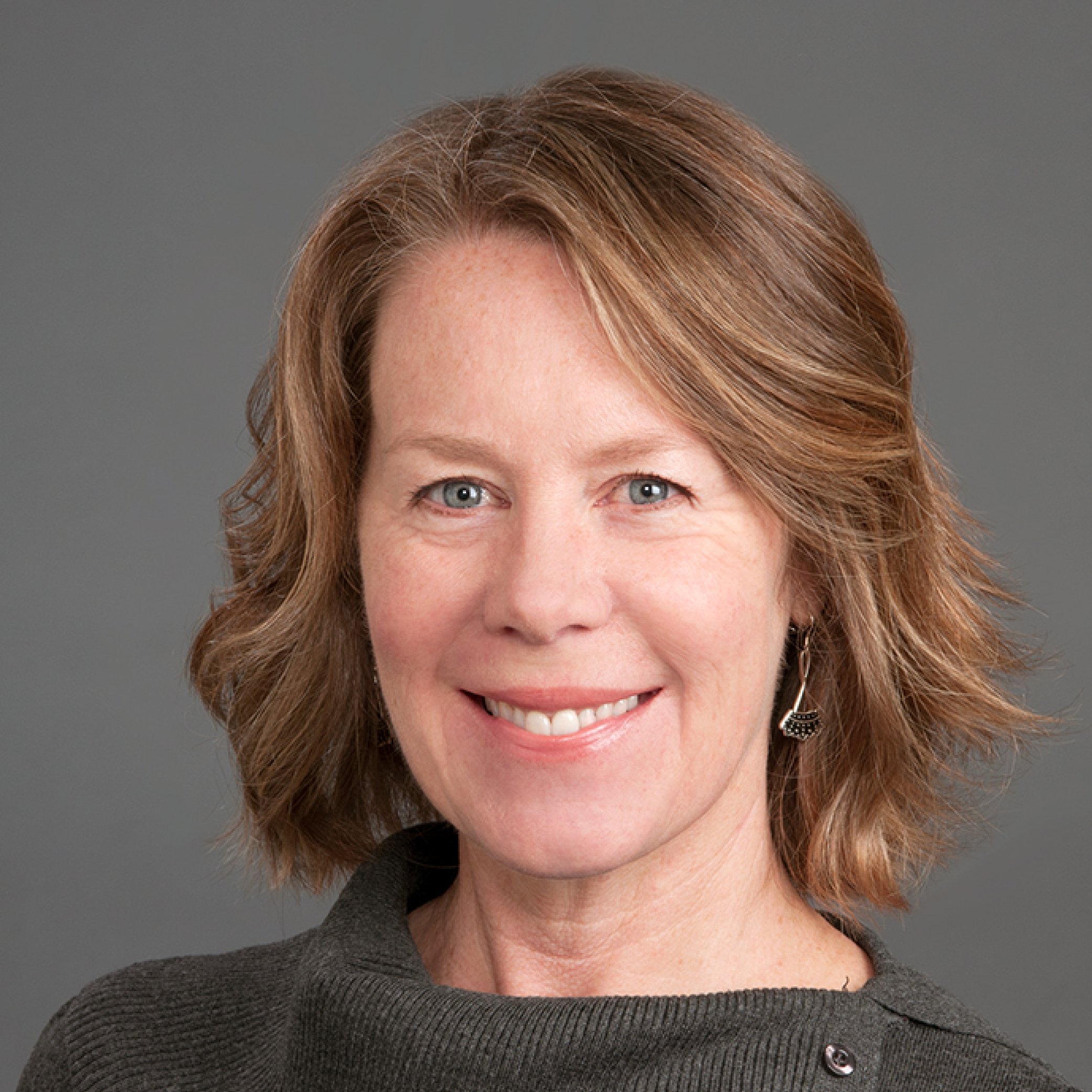
Kristin Kidd, MA, is the Coordinator of the SAMHSA-funded Southeast Prevention Technology Transfer Center (PTTC) at Wake Forest School of Medicine. Her work focuses on health equity, workforce development, and policy change, offering free training and technical assistance to the substance misuse prevention field across the southeastern U.S.
Kristin is also the Director of the North Carolina Behavioral Health Equity Initiative, where she collaborates with eight grantees to address local health disparities. Previously, she served as the Director of the Tobacco Control Training and Technical Assistance Team at the Colorado School of Public Health, where she guided state-wide advocacy efforts and helped local health agencies pass significant tobacco control policies, including retailer licensing and expanded smoke-free and vape-free protections.
Learn more about the Southeast PTTC and the NCBHEI.