
How Data and Storytelling Drive Narratives - Protecting Immigrant Communities with Becca O'Neill and Stefanía Arteaga
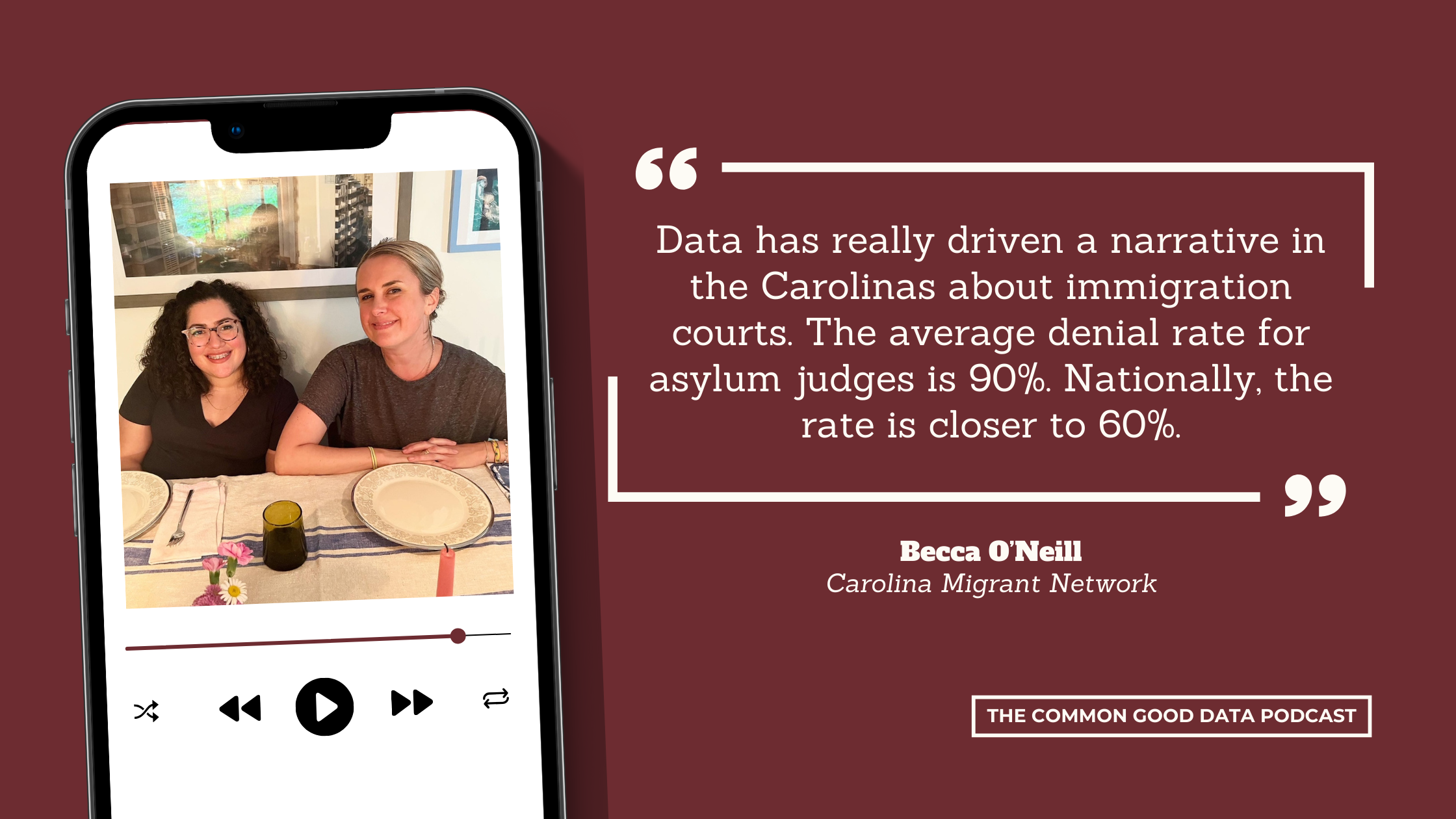
Listen to the Common Good Data Podcast on Apple Podcasts or Spotify.
How does your organization use data and storytelling to drive positive narratives and engage stakeholders in the “why” of your mission? We are joined today by Becca O'Neill and Stefanía Arteaga of Carolina Migrant Network who talk about their work protecting immigrant communities through the provision of legal assistance and organizing/advocacy work. This compelling episode will help you better understand the challenges facing undocumented individuals, including the difficulties of obtaining asylum and the ways that enforcement and detention can dehumanize migrant communities. We also discuss how data can drive narratives - both negative and positive - and the importance of storytelling in communicating an organization’s mission and values.
Key Points
Many immigrants who come to the United States and who seek asylum do not have access to adequate legal representation. North Carolina ranks 49th and South Carolina ranks 50th among all states for access to legal representation and less than 1 in 4 have access to legal representation in Mecklenburg County.
Conditions for detained migrants can place difficult hardships on asylum seekers and restrict physical liberties. The system of detainment can be viewed by some as dehumanizing.
Data can help tell stories, but can also drive both positive - and negative - narratives. Data from TRAC at Syracuse have demonstrated that there is a 90% denial rate for asylum seekers compared to a 60% national rate. These data may discourage asylum seekers - and even discourage immigration attorneys - from seeking asylum through the Charlotte courts. Organizations should be mindful how these data points can be used to galvanize support while also recognizing the potential for data points like these to discourage their constituents.
Storytelling can inspire and communicate values, mission, and purpose. Stefania shares a compelling story in the episode about a community’s resistance to an ICE arrest which in turn communicates the true “why” of Carolina Migrant Network. What stories in your organization can similarly communicate the “why” of the work you do?
Sometimes, organizations have to think about how to challenge the status quo. Stefanía shares the origin story of Carolina Migrant Network as a response to the 287g immigration law in Mecklenburg County. As a nonprofit or public sector organization - what models of challenging systems might work in your context and with the community you serve?
Organizations need to think about how to define success for themselves - and not according to the needs and desires of a funder or external stakeholder. Sometimes, that means redefining what success looks like, and being willing to take on stigmatized work - like representing people who have been detained
Our Guests
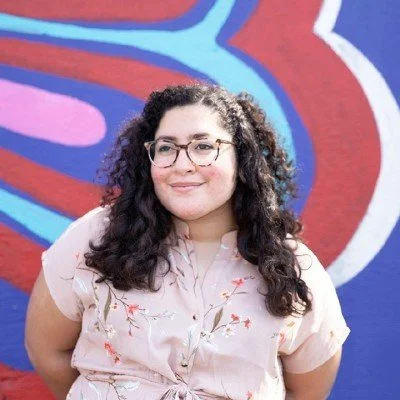
Stefanía Arteaga is a dedicated organizer and strategist, deeply involved in advancing immigrants' rights in North Carolina. Co-founder of Comunidad Colectiva and Carolina Migrant Network, Stefania has tirelessly worked to push back against Immigration and Customs Enforcement (ICE) collaboration with local law enforcement. Her efforts include organizing with undocumented students, leading deportation defense campaigns, and contributing to the successful end of 287(g) in Mecklenburg County. Her work has been documented in the Netflix Docu-Series Immigration Nation.
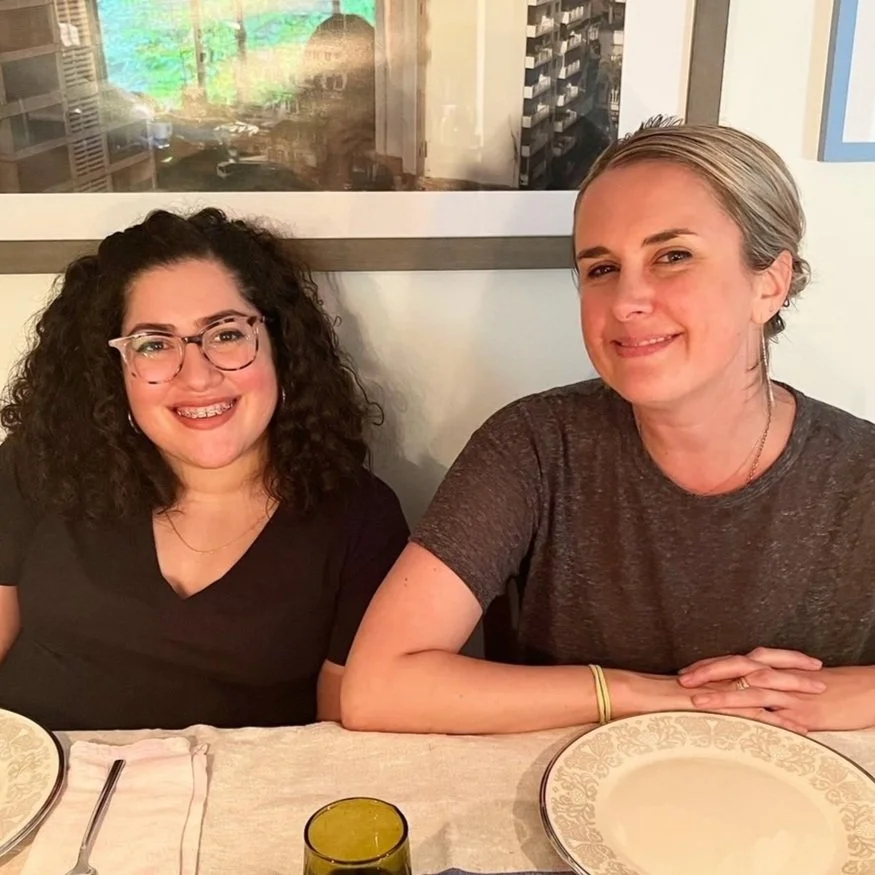
Becca O'Neill is a Charlotte native with over thirteen years experience working in the field of immigration law, eleven of those years as a practicing immigration attorney. Her practice has focused on humanitarian-based immigration law, asylum (affirmative and defensive), custody redetermination hearings, refugee family reunification, complex naturalization cases, and family-based immigrant visa work. Previously she served as special counsel on immigration issues to Mecklenburg County Sheriff Garry McFadden and assisted with ending 287(g) and the implementation of the new jail policy. Prior to enrolling in law school, Becca was a social worker who worked in Eastern North Carolina, Rwanda, and New York, NY. After several years of practicing law in Kentucky, Becca returned to her hometown of Charlotte in 2017.