The Common Good Data Podcast
The podcast for nonprofit and public sector leaders looking to use data and evaluation strategies to build effective and sustainable programs in the areas of prevention, mental health, human services, and education.
Subscribe on:

Telling the story of the impact of your organization is critical to gaining support—from volunteers to donors to multi-year grants. But using data to show your impact can be challenging.
Learn how the best organizations build a culture of data that impresses funders, wins competitive grants, and changes the lives of individuals and communities.
-
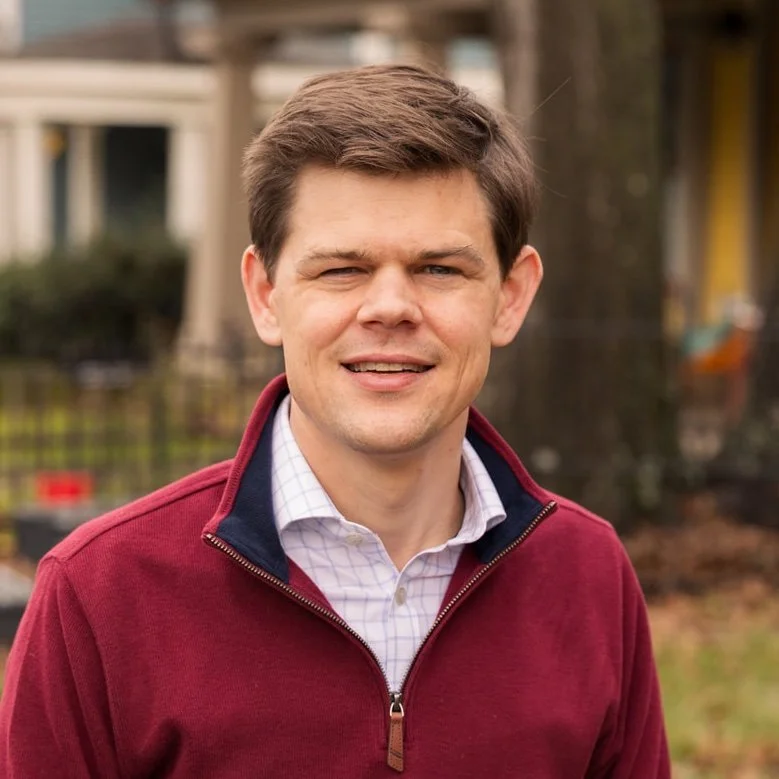
Drew Reynolds
Cohost
-

Roger Suclupe
Cohost
Become a guest.
Book Drew as a guest.

Search for a topic or guest:
Listen to past renditions of the podcast:

Democratizing Data for Stronger Neighborhoods with Victor Amaya
On this episode of the Common Good Data Podcast, Drew Reynolds and Roger Suclupe sit down with Dr. Victor Amaya, President and Executive Director of Data You Can Use in Milwaukee, Wisconsin. Dr. Amaya shares how his organization flips the traditional research model on its head by starting with communities first. Instead of merely extracting data, his team listens, co-creates with residents, and keeps data in the hands of the people who know their neighborhoods best.
Together, they explore what it means to truly democratize data—turning raw statistics into clarity, trust, and actionable change. The conversation highlights practical tools like neighborhood dashboards and indicators, and digs into big initiatives such as addressing life expectancy gaps and developing a localized wealth index. Dr. Amaya emphasizes that data isn’t about proving, it’s about improving, and that lasting impact comes from relationships, accessibility, and genuine community voice.

Trust-building, Direct Support, and Systemic Advocacy with Jamaal Kinard and Adrian Sundiata
The 28208 zip code in Charlotte, NC, including the Lakeview neighborhood, is one of the city’s areas with significant economic challenges. Residents born in this neighborhood have less than a 5% chance of transitioning out of poverty into the middle class.
Originally established as a mill village for white workers in the late 1930s, Lakeview became predominantly Black in the late 1960s due to urban renewal and white flight. Today, the community faces ongoing challenges, including issues of trust, gentrification, and a lack of meaningful engagement.
Jamaal Kinard and Adrian Sundiata from the Lakeview Neighborhood Alliance (LNA) join us to discuss their efforts to improve the quality of life in the Lakeview neighborhood.